
I am a seed buried deep in the loam. Darkness, peat-rich and sodden, cradles me. I do not know how long I have been here, nor how much longer I will remain. Has it been a hundred years, a thousand, or two? Time slips by with no consequence. This dirt is all I have ever known.
Suddenly, I feel a drop of water. Then, a downpour. It conjures a metamorphosis. The hard shell of my exterior ruptures as I swell with moisture. When the deluge yields, it’s replaced by a warmth that beckons me from the soil. The first expressions of my roots and leaves unfurl in the sun’s heat. Wonder consumes me. I realize, for the first time, that I am a flower.
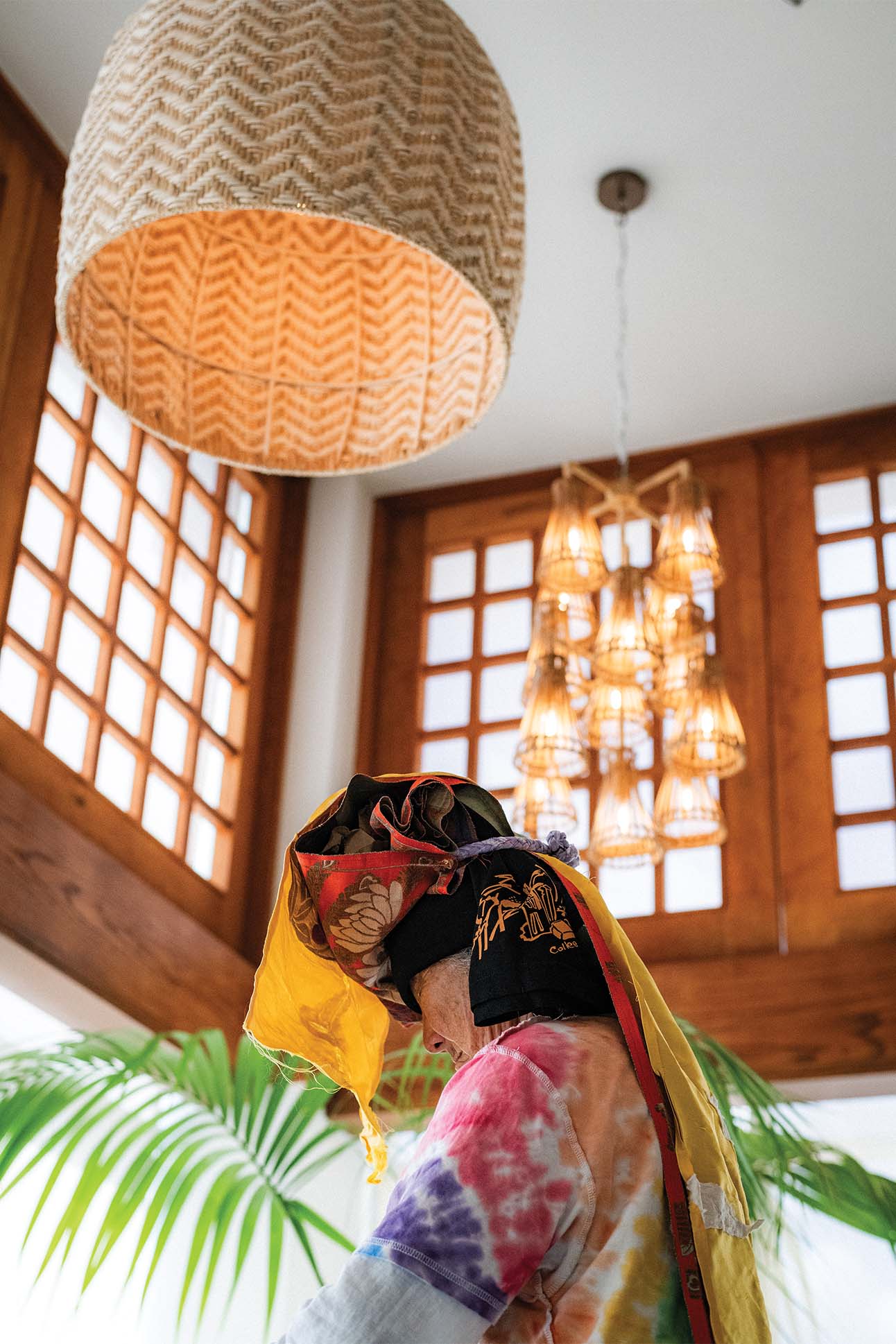
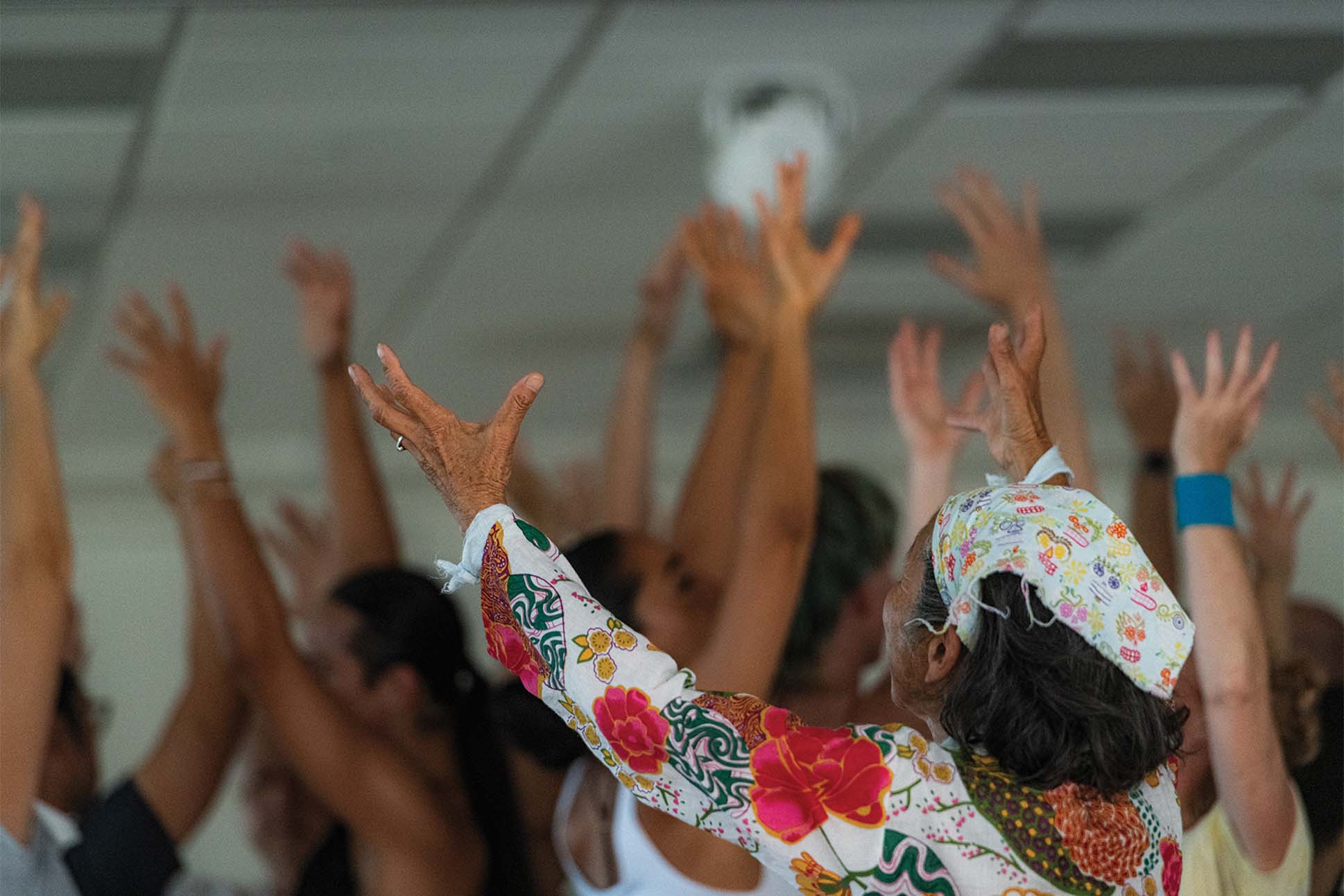
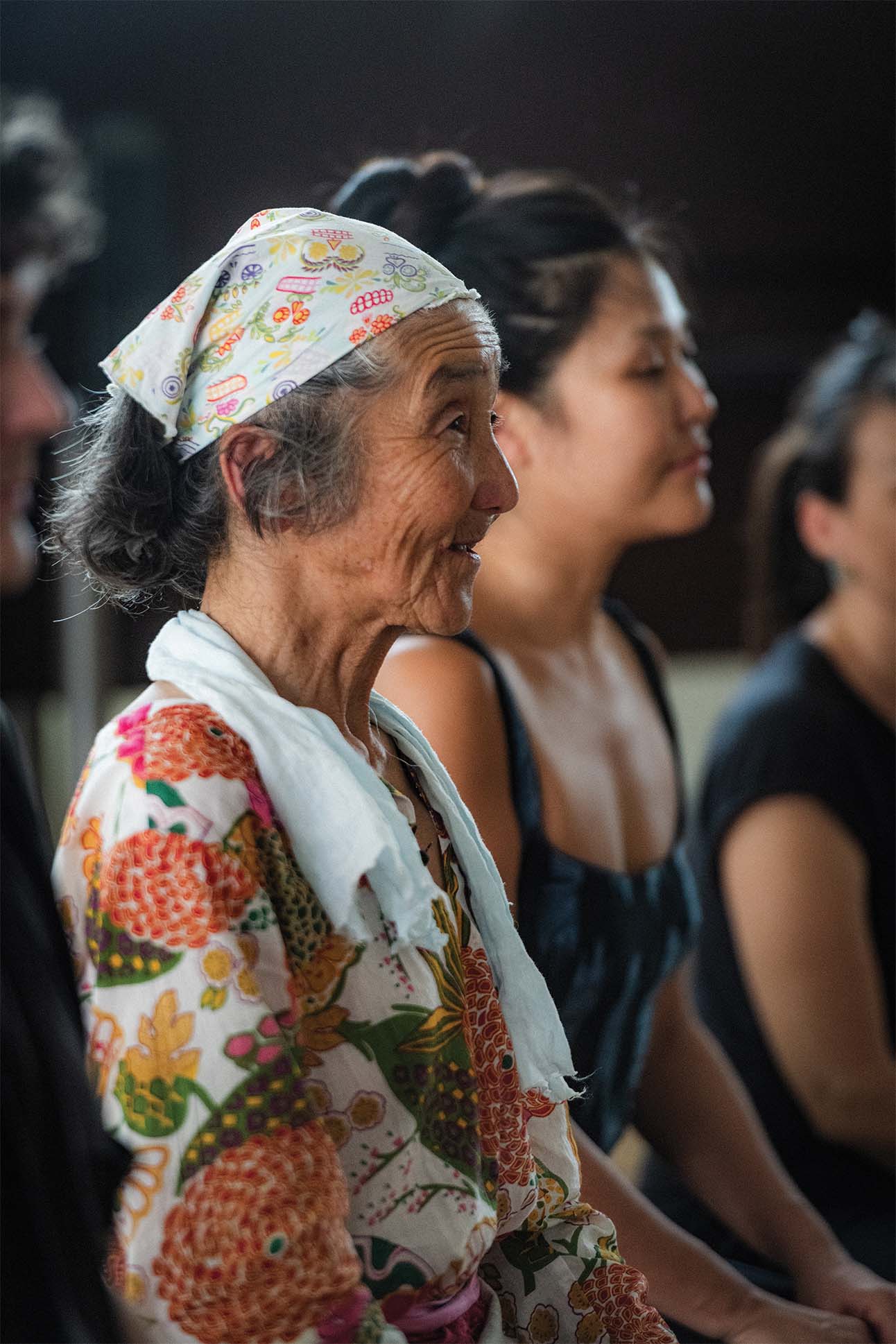
A single, sharp clap breaks the reverie. I’m no longer a flower—just someone in a high school gymnasium. Others around me, some two dozen or so, emerge from their own trance. At the front of the gym stands Hiroko Tamano, her petite frame clad in bright pink tights and a wagara-print top. A bandana holds her gray bob back from a weathered face. Despite her age, the 73-year-old butoh master still carries an undeniable presence, and the whole room hangs on her every movement.
For three days on O‘ahu, Tamano will provide instruction in butoh, a contemporary dance form to which she has given the better part of her life. The class is comprised of curious neophytes and seasoned performers, some of whom followed Tamano here from Berkeley, California, where she and her late husband, Koichi, built one of the country’s first butoh communities.
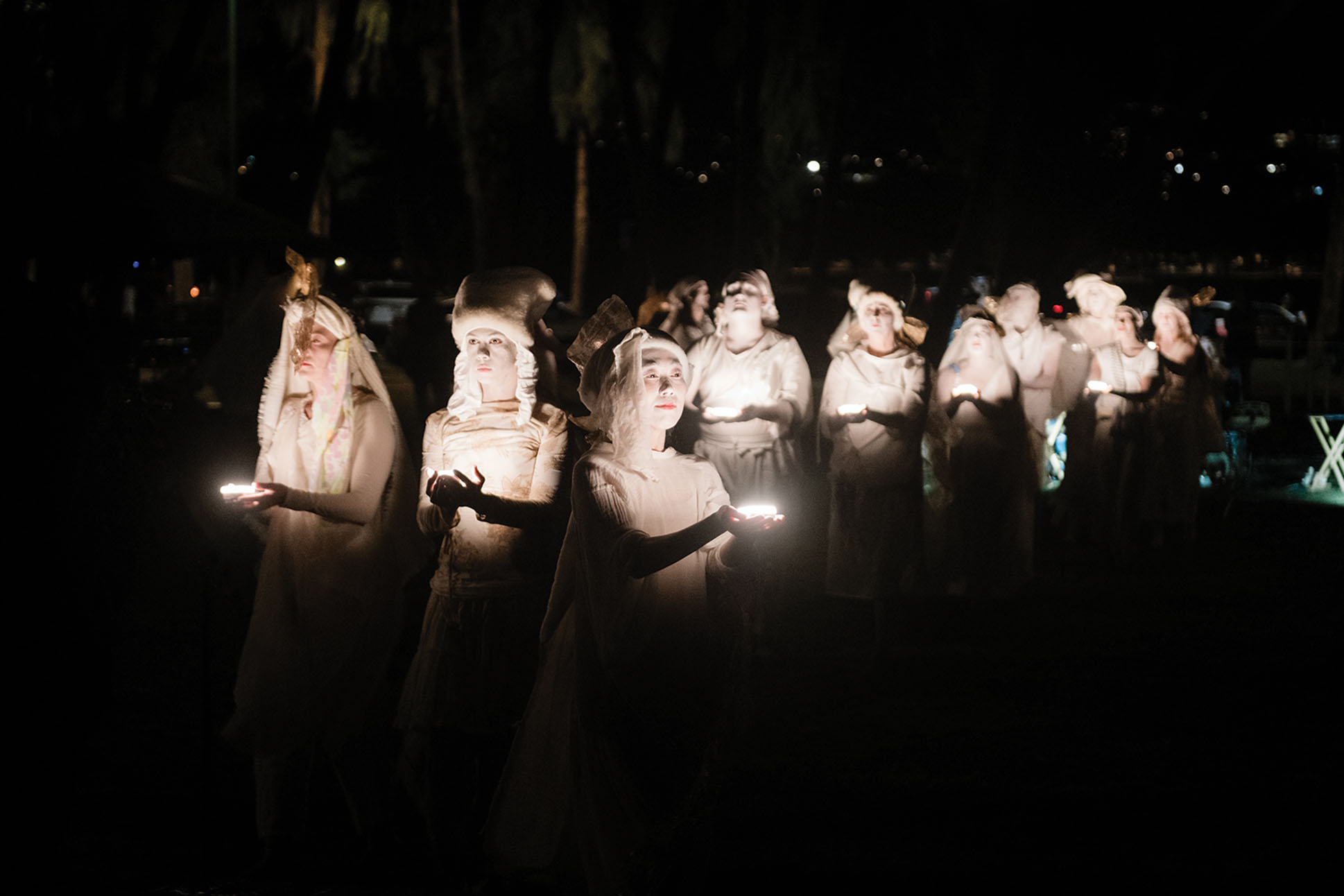
The couple studied under butoh pioneer Tatsumi Hijikata, who developed the dance form with Kazuo Ohno in ’50s-era Japan. Butoh began as an artistic experiment, a means of reckoning with the aftermath of the atomic bombings of Hiroshima and Nagasaki. Hijikata and Ohno cast off classical Japanese and Western traditions—Kabuki, Noh, and ballet alike—in pursuit of a radically new form. What emerged was ankoku butoh, a “dance of darkness” in both name and spirit.
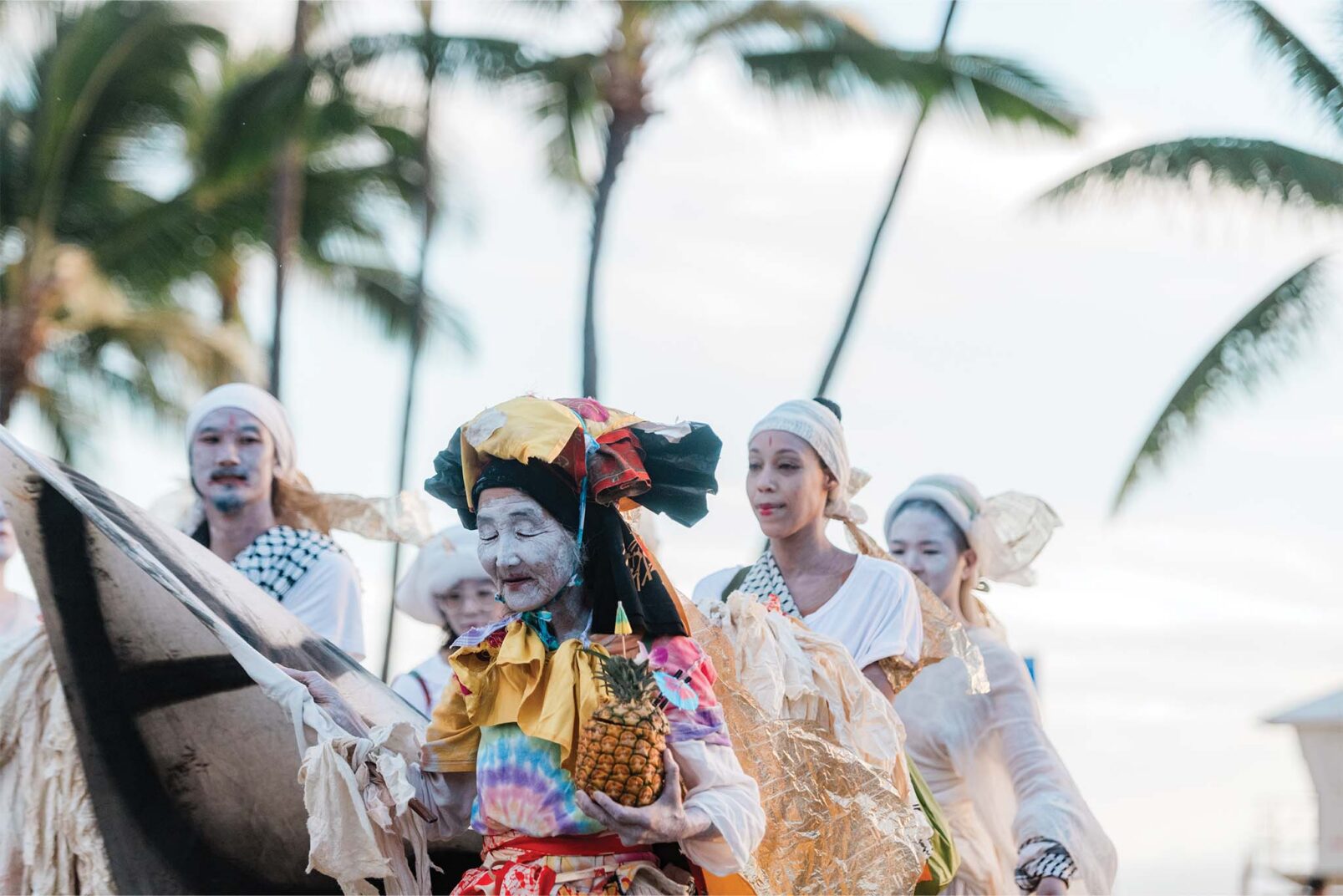
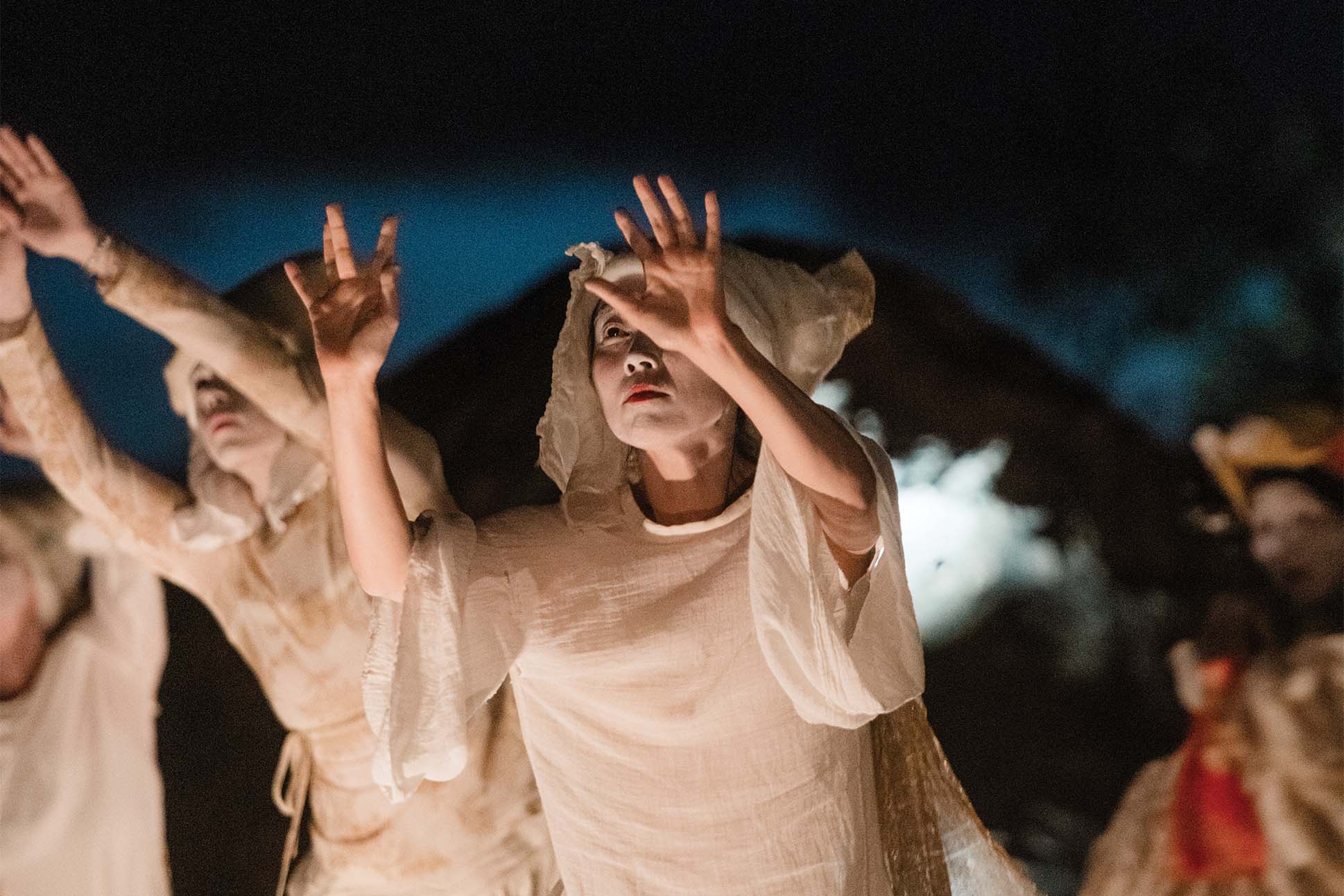
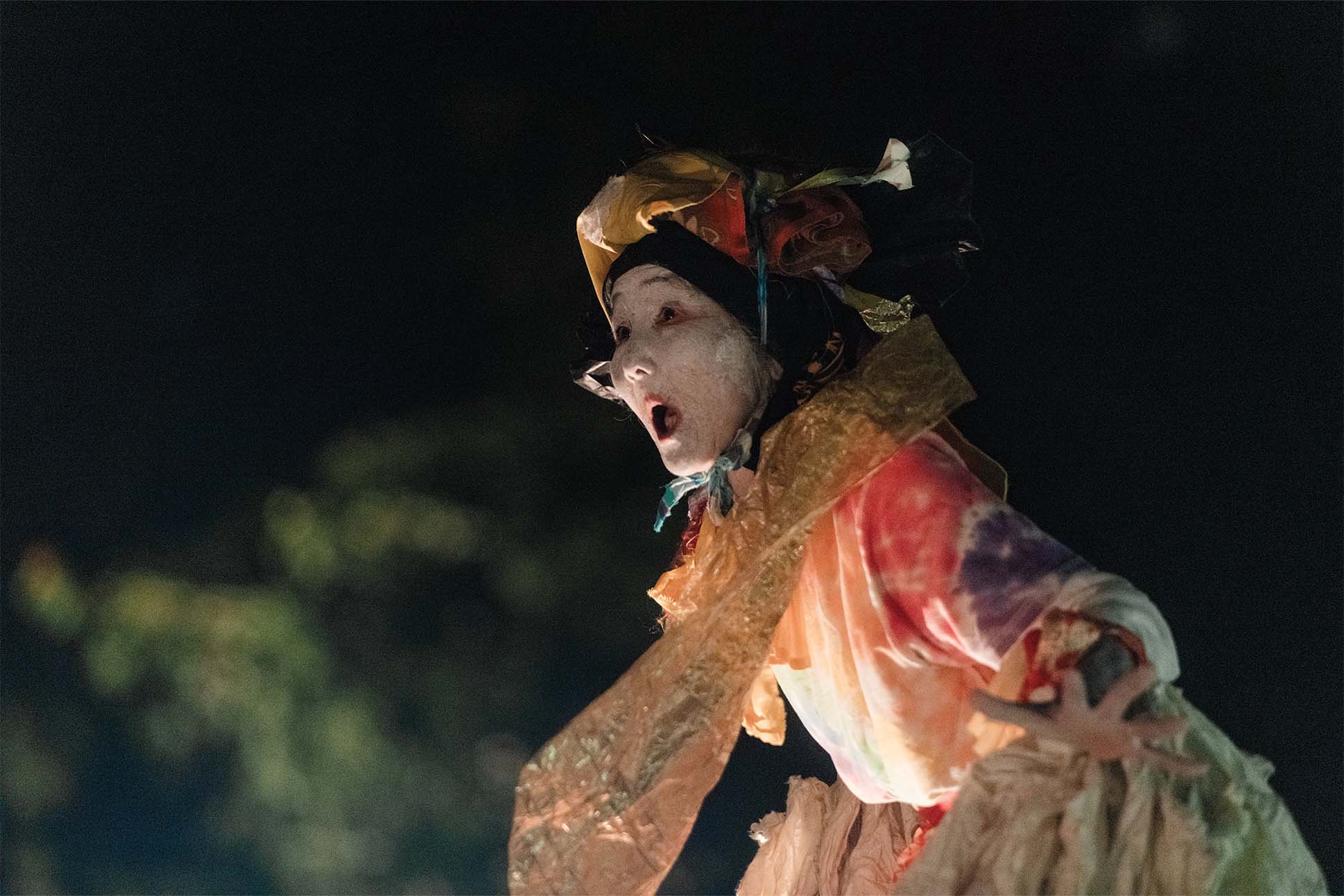
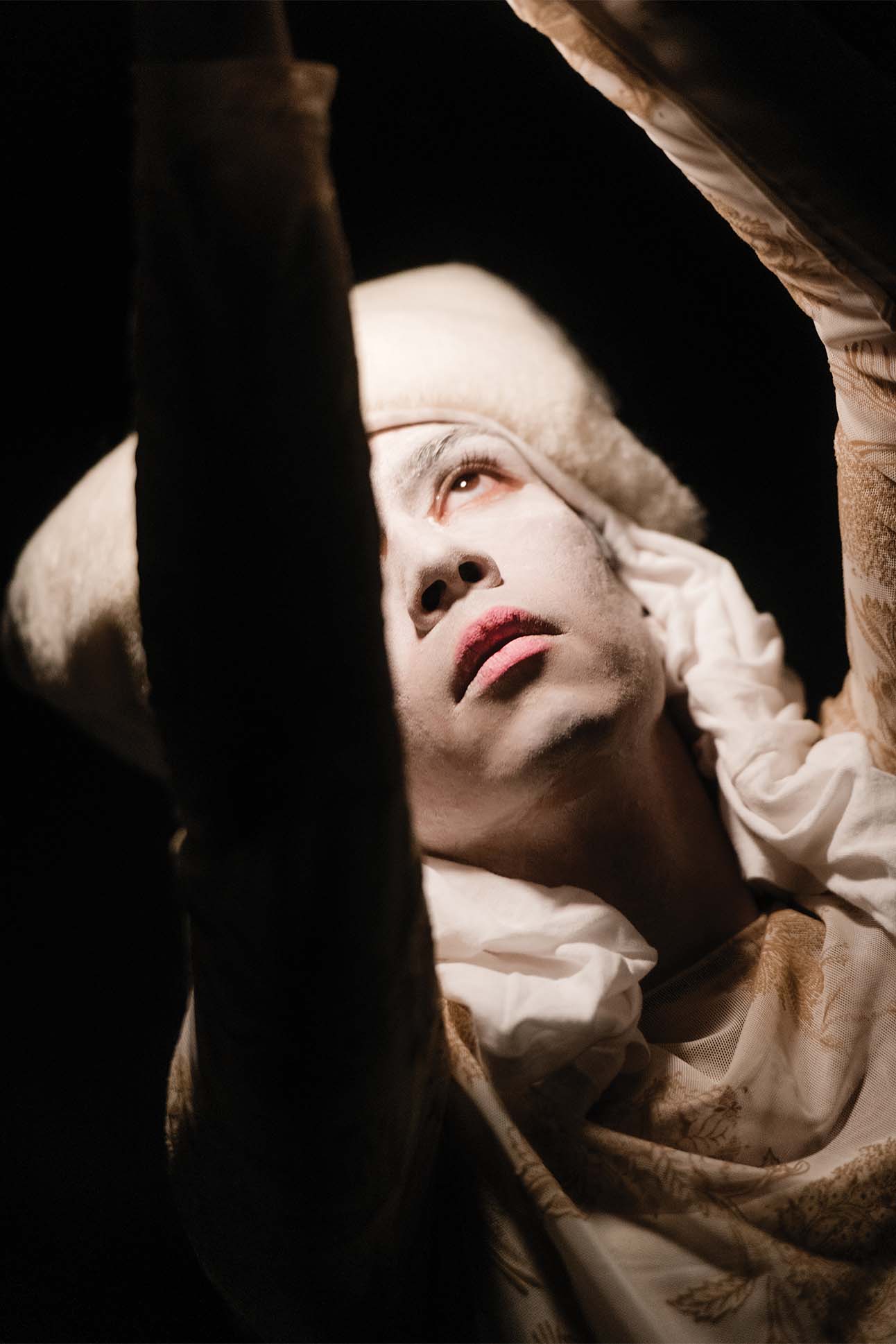
Caked in white body paint, often with shaven heads, dancers move at a glacial pace. Choreography gives way to improvisation, with gestures arising from one’s interior state. Faces contort into baroque expressions of human emotion. Teeth gnash in pain; mouths gape in a silent wail. Limbs twist then unspool, the body conveying states that verge on the metaphysical: a memory long buried, an emotion too raw to speak of.
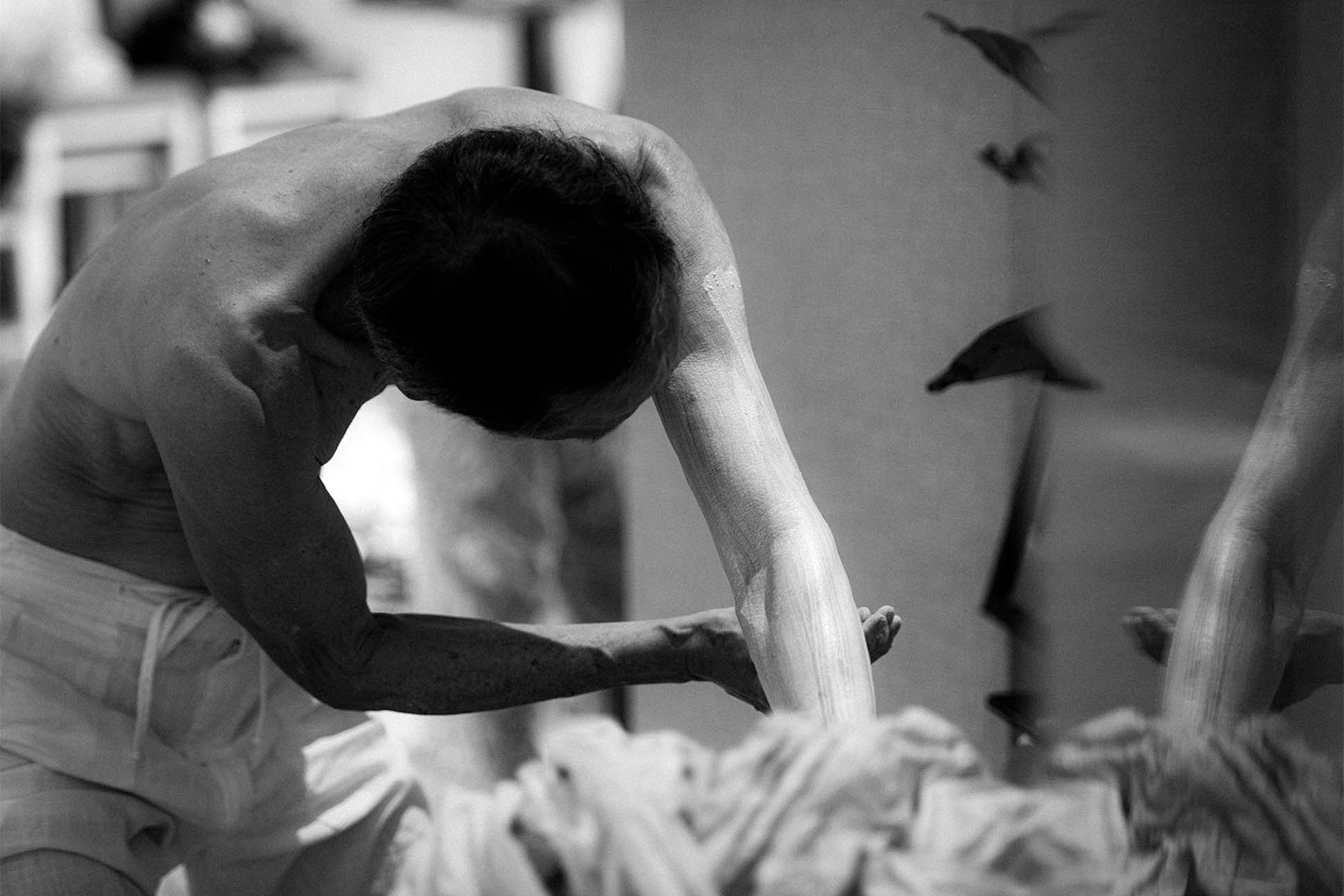
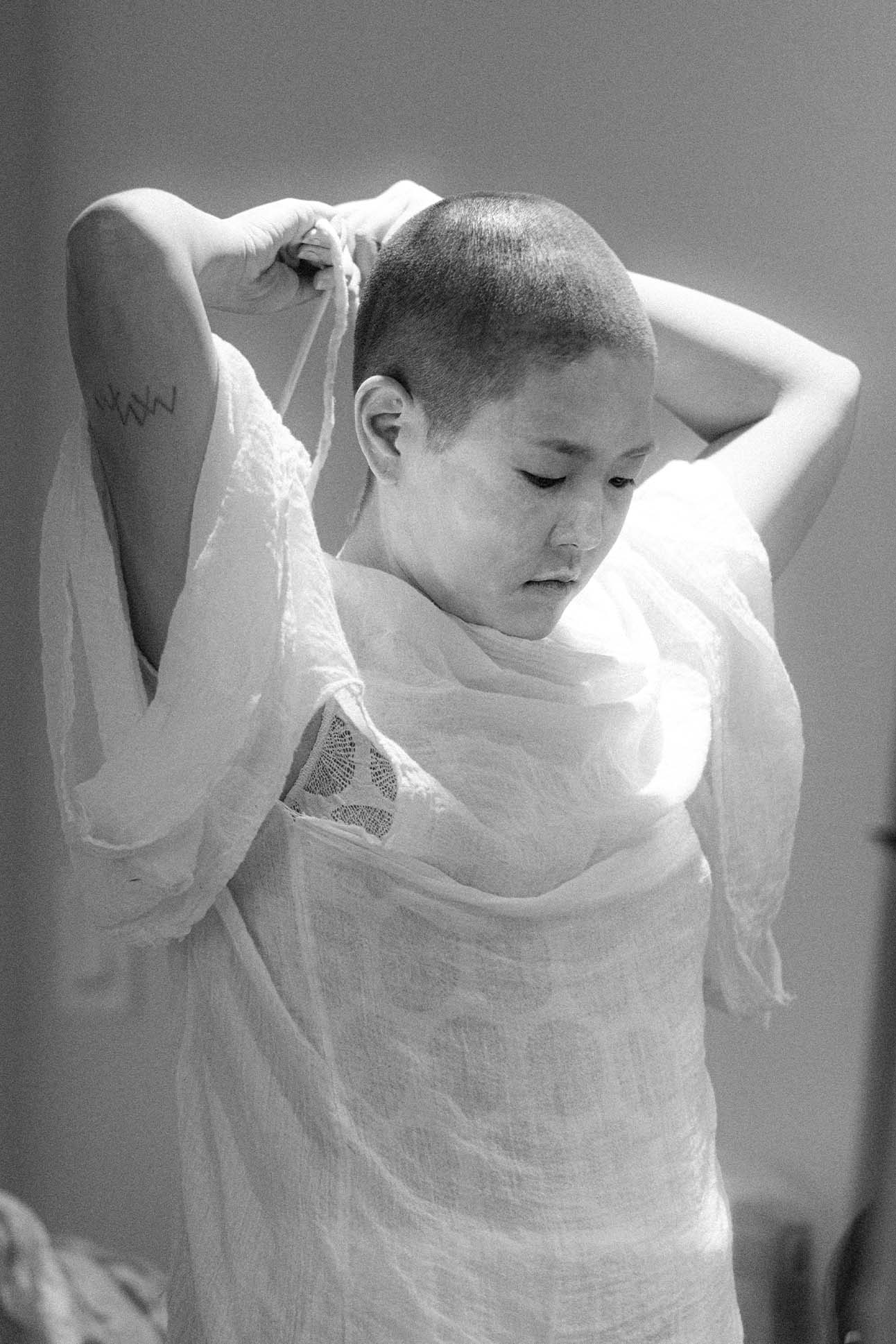
Wars have been fought since time immemorial. A country ravaged is nothing new. The atomic bombings of Hiroshima and Nagasaki, however, brought new scale to human devastation. No existing art form could hold such tragedy. Butoh gave the body a new language. Trauma and grief can move through the flesh, raw and unvarnished, free of aesthetic polish. What unfolds, then, is less a performance than a somatic reckoning, the body a conduit for one’s inner world.
Local creatives Mele Hamasaki and Daniel Croix attended one of Tamano’s butoh workshops in 2022 during a trip to Los Angeles. When they joined arts reporter Noe Tanigawa in organizing the Renkon Project, a Honolulu memorial commemorating the 80th anniversary of the atomic bombings, it felt essential from the outset to include butoh in its programming.
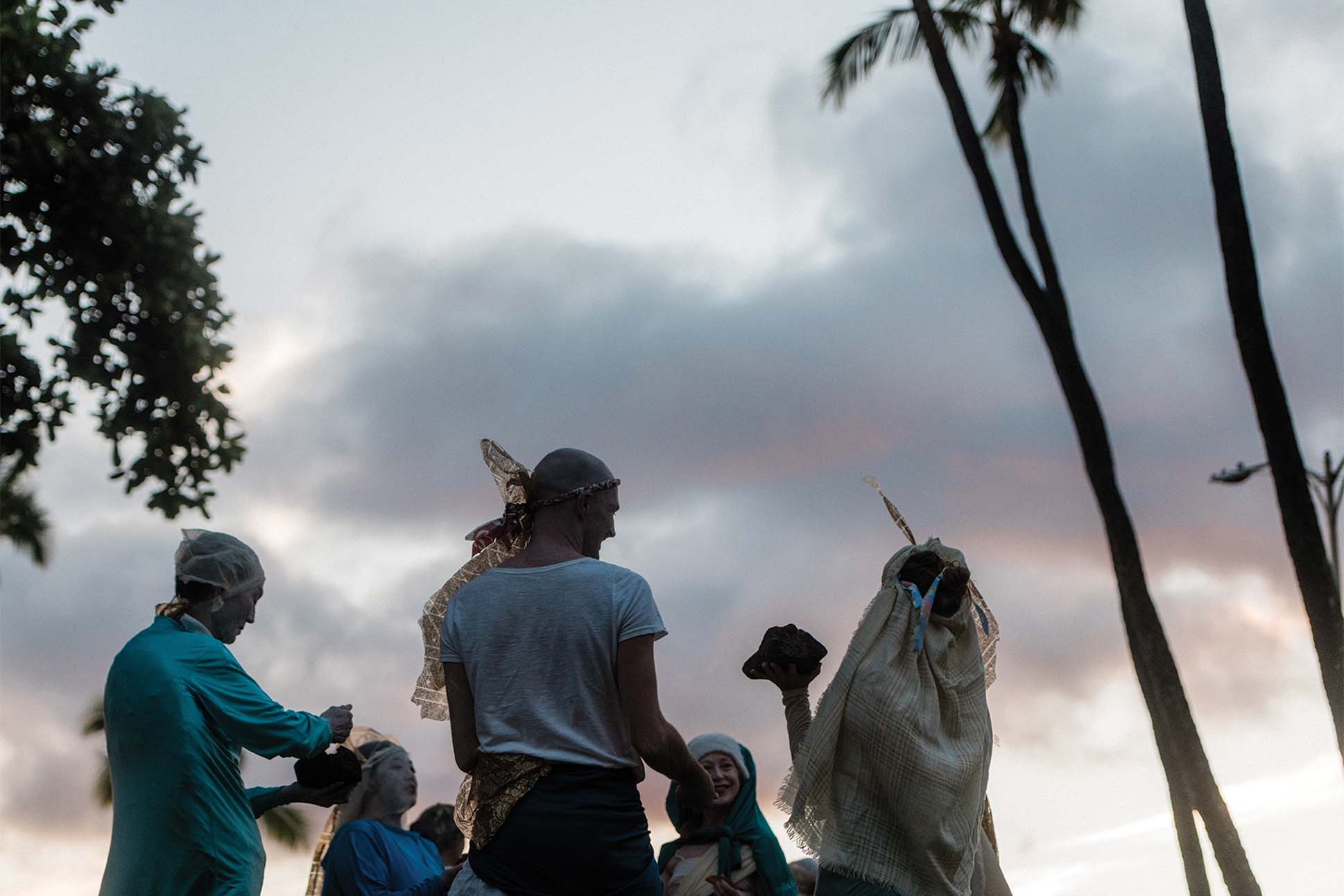
And so, the three days with Tamano unfolded as a kind of vigil. We taught our bodies to emote without judgement. There were no classical techniques to master, merely states to inhabit: a whale cresting and diving; a seed coming to bloom. The workshop would culminate in a performance in two days’ time, an elegy carried by our bodies.
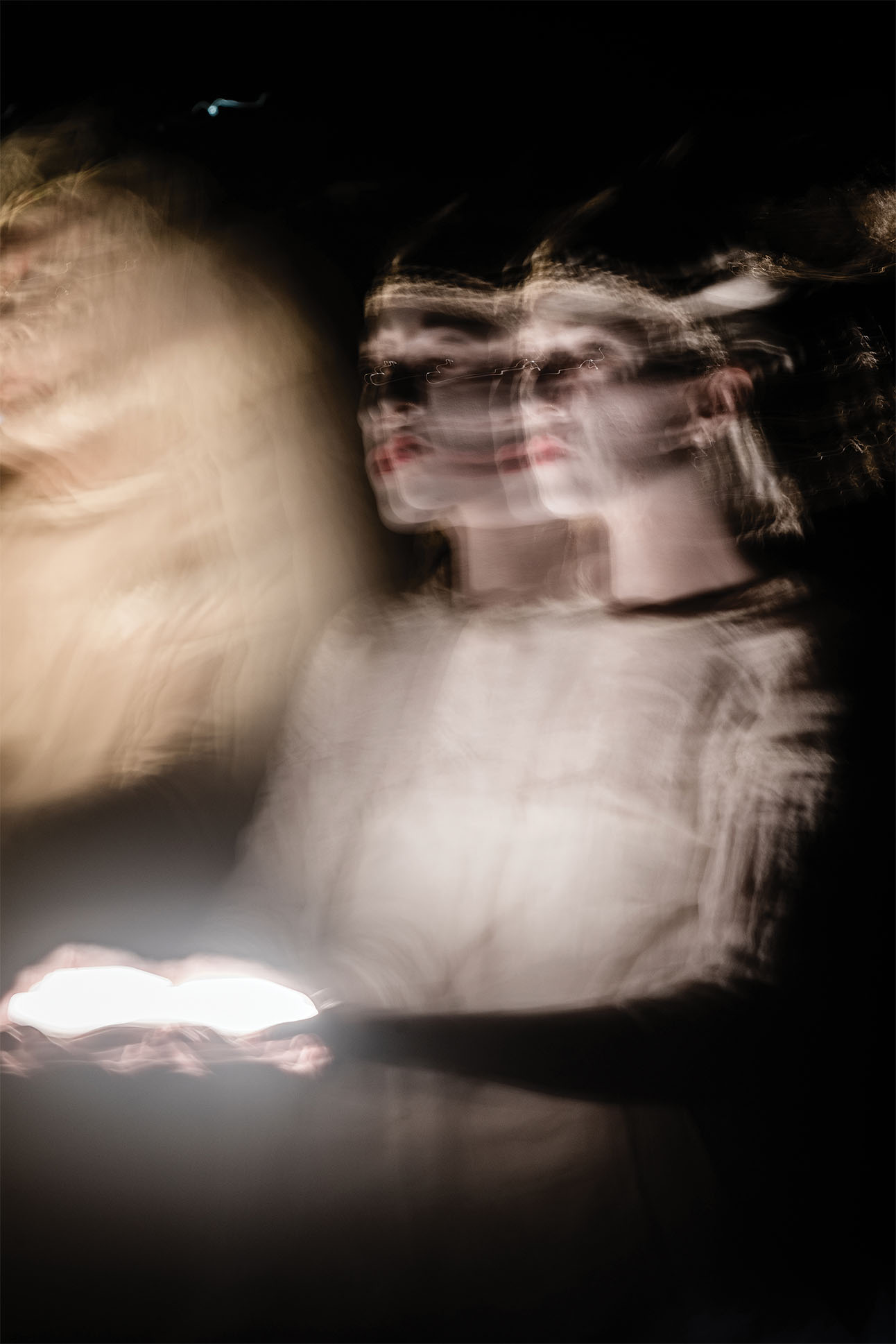
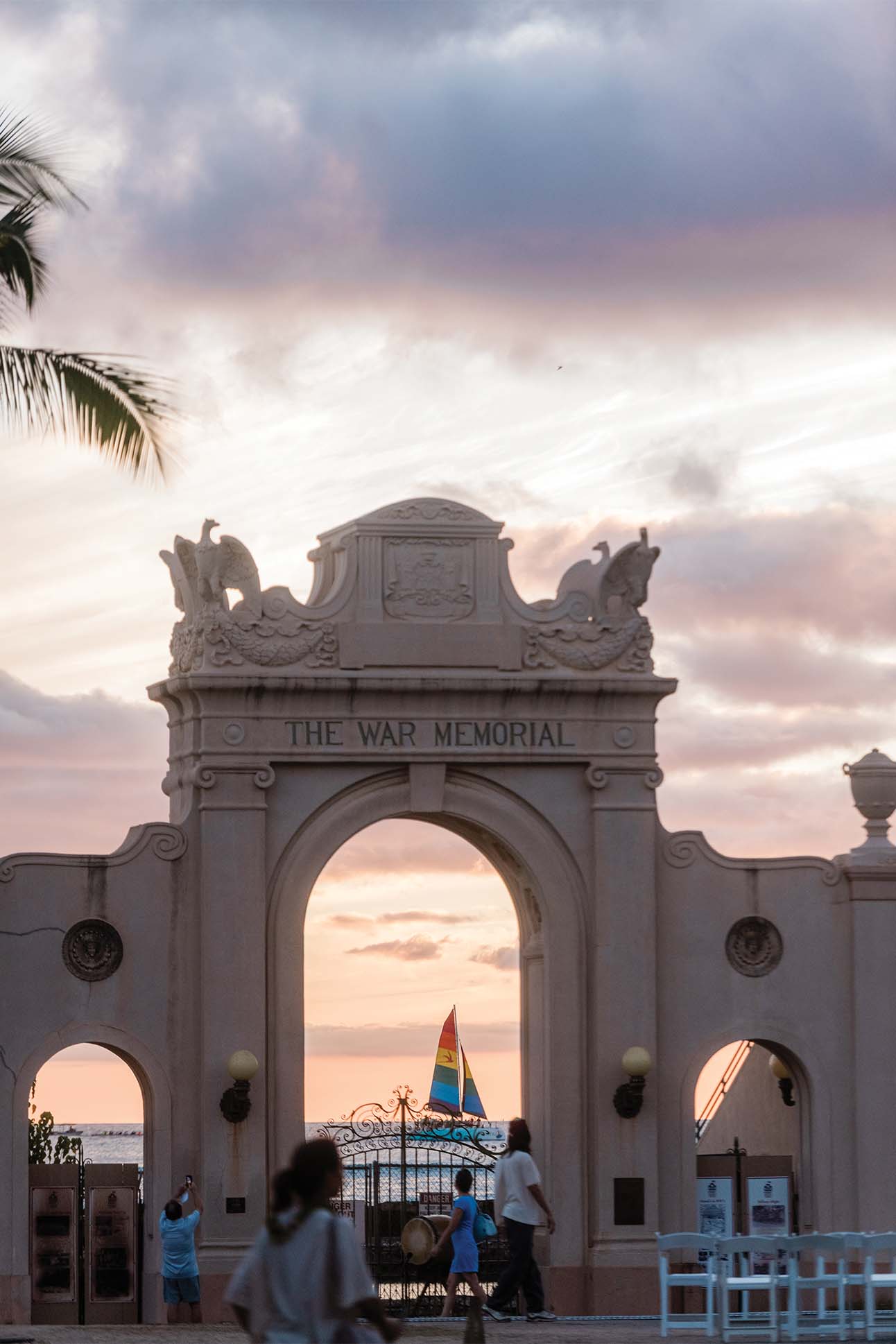
In a field along Kaimana Beach, figures draped in white glide through the expectant crowd. As dusk falls, the darkness presses in, save for the candlelight illuminating the dancers’ faces. A taiko drummer metes out a beat, growing frenetic as the dancers’ movements intensify. The performance, like much of butoh, resists easy description. All I can offer is the feeling it left behind: sorrow, awe, solemnity.
What is there to say about the atomic bombings that has not already been said? The world remains, still, in their long shadow. Hundreds of thousands perished, and an untold more suffered in its wake. Perhaps language is insufficient. Perhaps only the body knows how to speak what words cannot.
