
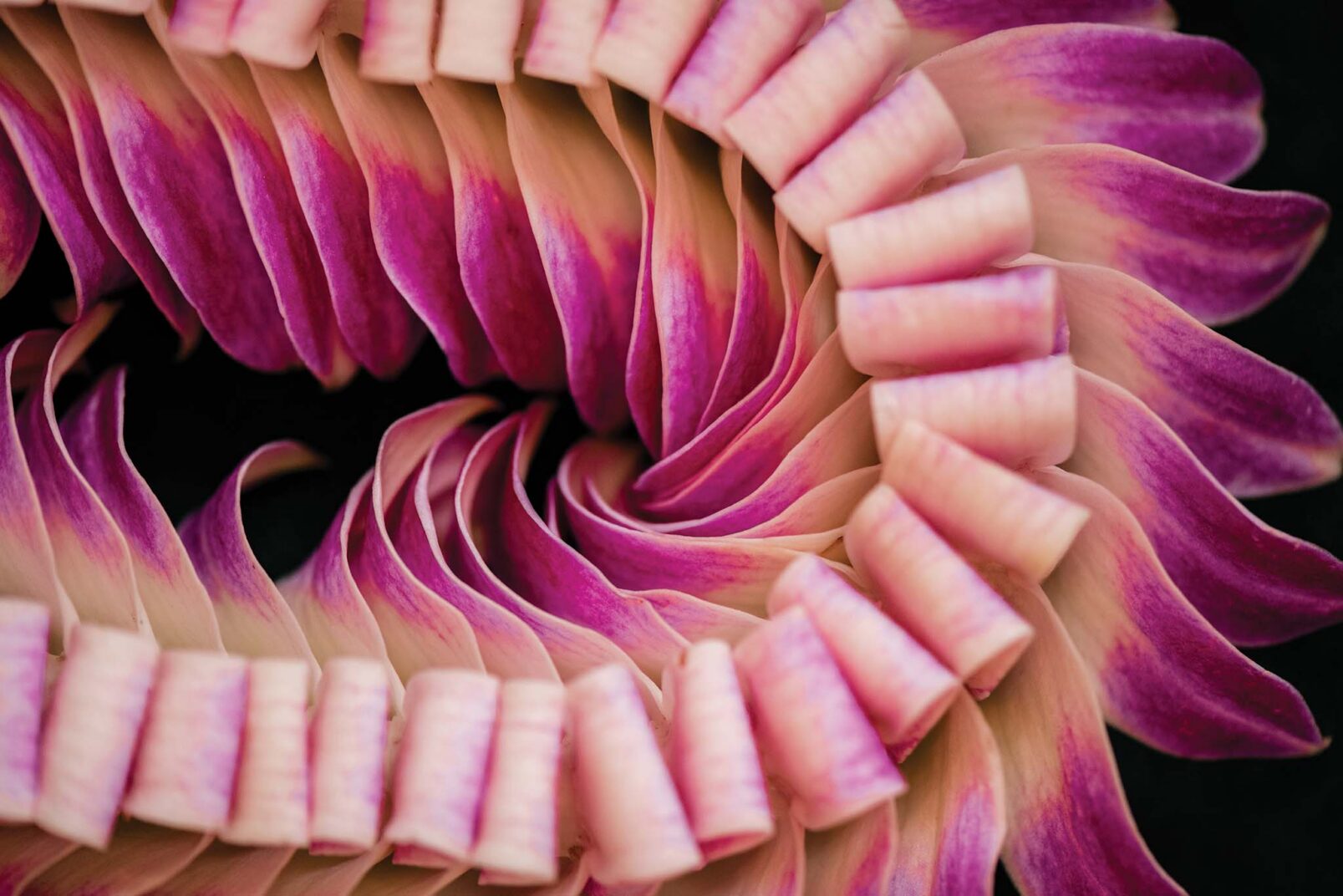
Lei-making is a time-honored tradition in Hawai‘i, brought to the islands over a thousand years ago by Polynesian voyagers. Today, these fragrant floral garlands are synonymous with the islands. Many visitors associate lei with their first moments in Hawai‘i—being draped in plumeria strands after stepping off the plane, receiving a purple orchid lei at their hotel. Yet lei symbolize far more than a warm welcome. In her book, Lei Aloha: Celebrating the Vibrant Flowers and Lei of Hawai‘i, lei maker Meleana Estes writes, “Here in Hawai‘i, lei are more than a gift, a cultural practice, or the flowers: they bring people together, they hold relationships, community, gratitude, and protection.” Lei mark life’s milestones—birthdays, retirements, graduations—and are given in abundance during celebrations or to acknowledge accomplishments.
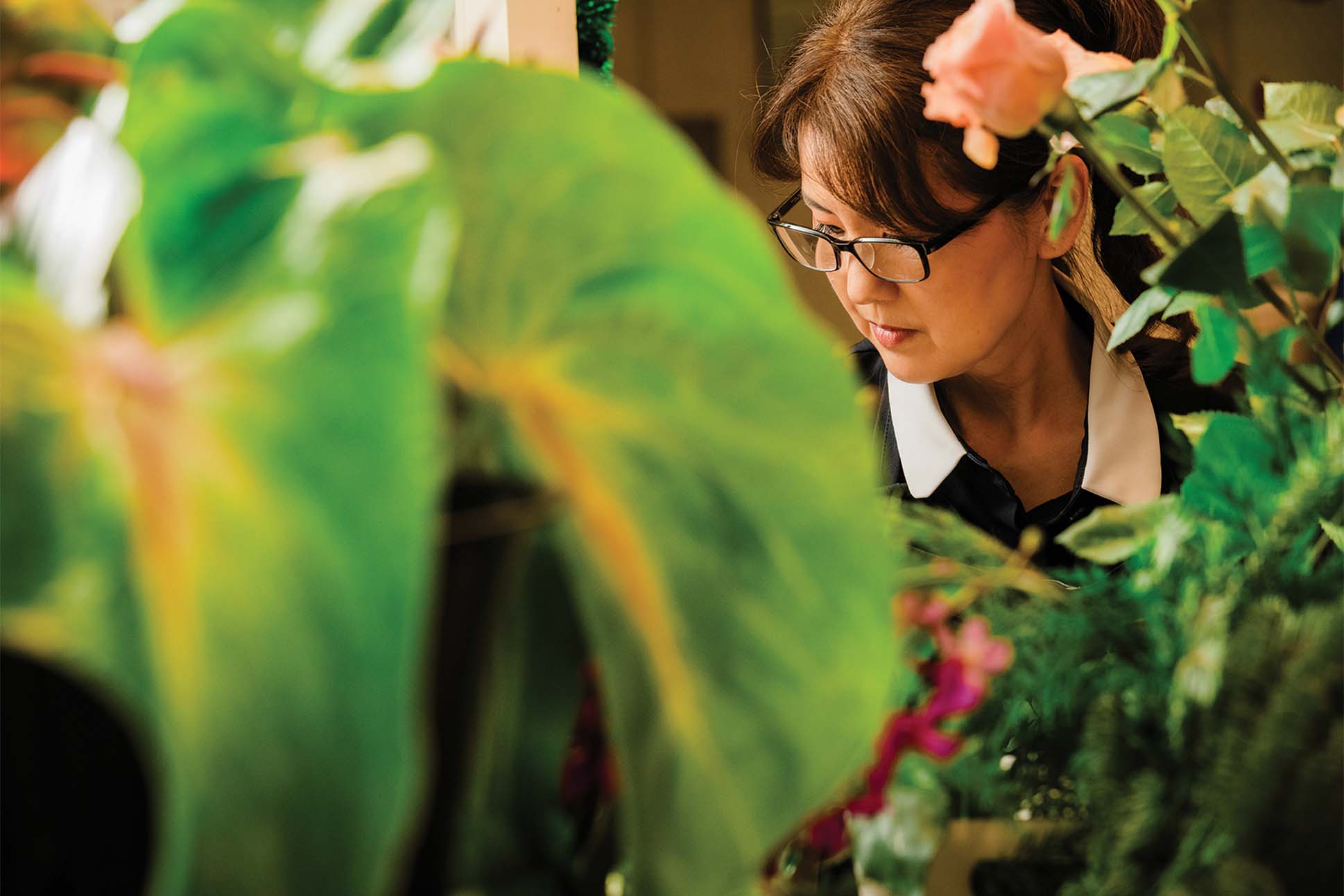
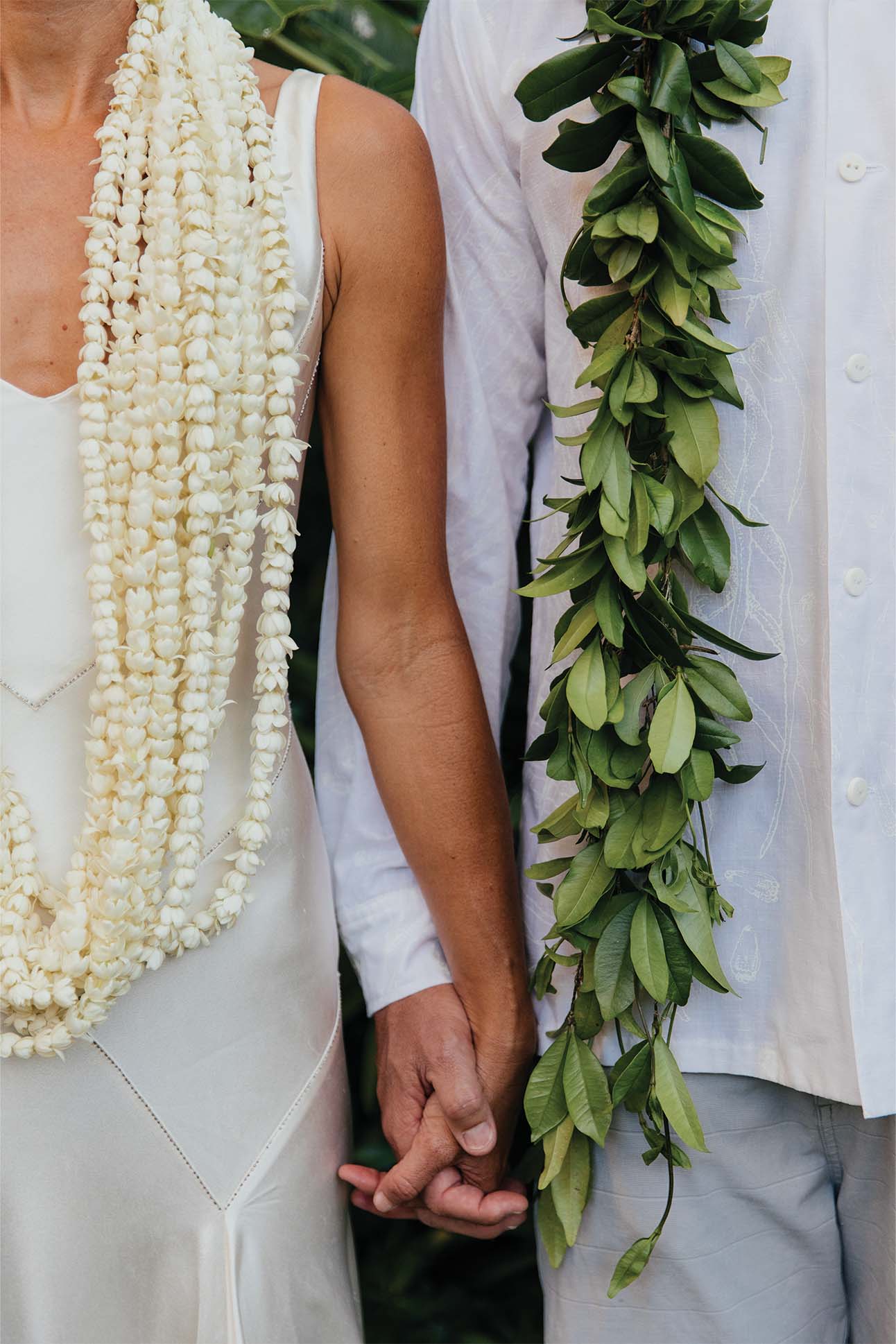
Weddings, in particular, call for a lei chosen with intention and care. During marriage ceremonies in Hawai‘i, couples wear and exchange artfully crafted lei made from prized materials. This practice is not restricted to kama‘āina (locals), and many malihini (visitors) adopt the tradition when getting married in the islands. According to Joseph Reyes, head florist at Halekulani’s on-site flower shop, lei are a part of nearly every wedding at the resort. Couples unfamiliar with the tradition often turn to the shop for guidance in choosing their wedding lei, where recommendations are based on seasonality and aesthetics. While there are no bounds to what defines a wedding lei, texture and fragrance are carefully considered. The most popular choices—maile for grooms and pīkake, pakalana, or ‘ilima for brides—are elegant and aromatic, with roots in both ancient and contemporary Hawaiian tradition. Ahead, a closer look at common wedding lei examines the cultural context that shapes their role in weddings today.
‘Ilima
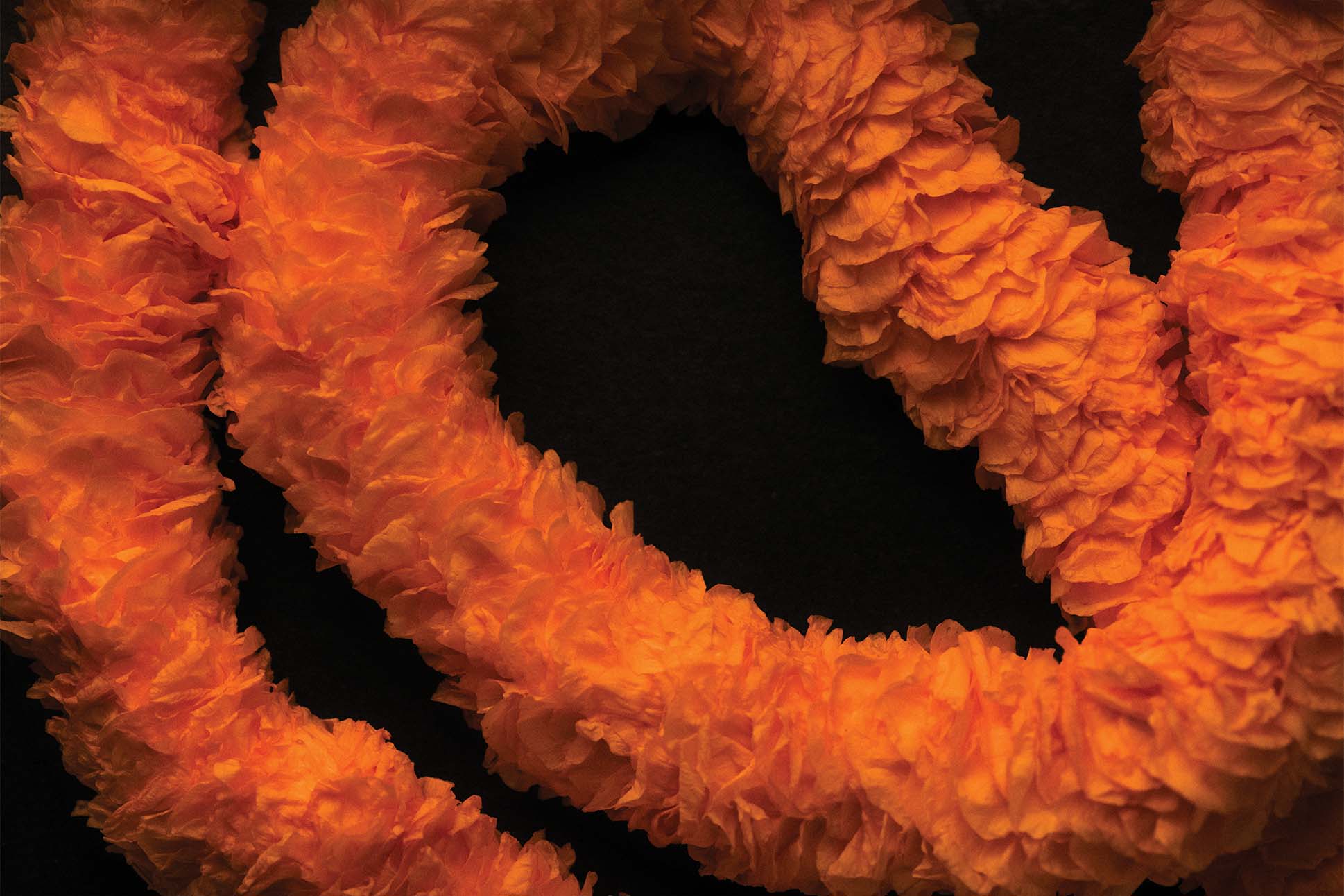
Delicate and paper-thin, ‘ilima flowers range in color from soft gold to deep orange. A single strand can require 500 to 1,000 tissue- like blossoms, making each lei a painstaking labor of love. Once among the most abundant lei flowers and possibly the only flower used for lei-making in pre-contact Hawai‘i, ‘ilima are now a rarer sight than more readily available lei flowers such as pīkake and plumeria. Closely associated with royalty, ‘ilima was often worn in multiple feathery strands by Queen Emma, who favored the flower for its grace and striking colors.
Maile
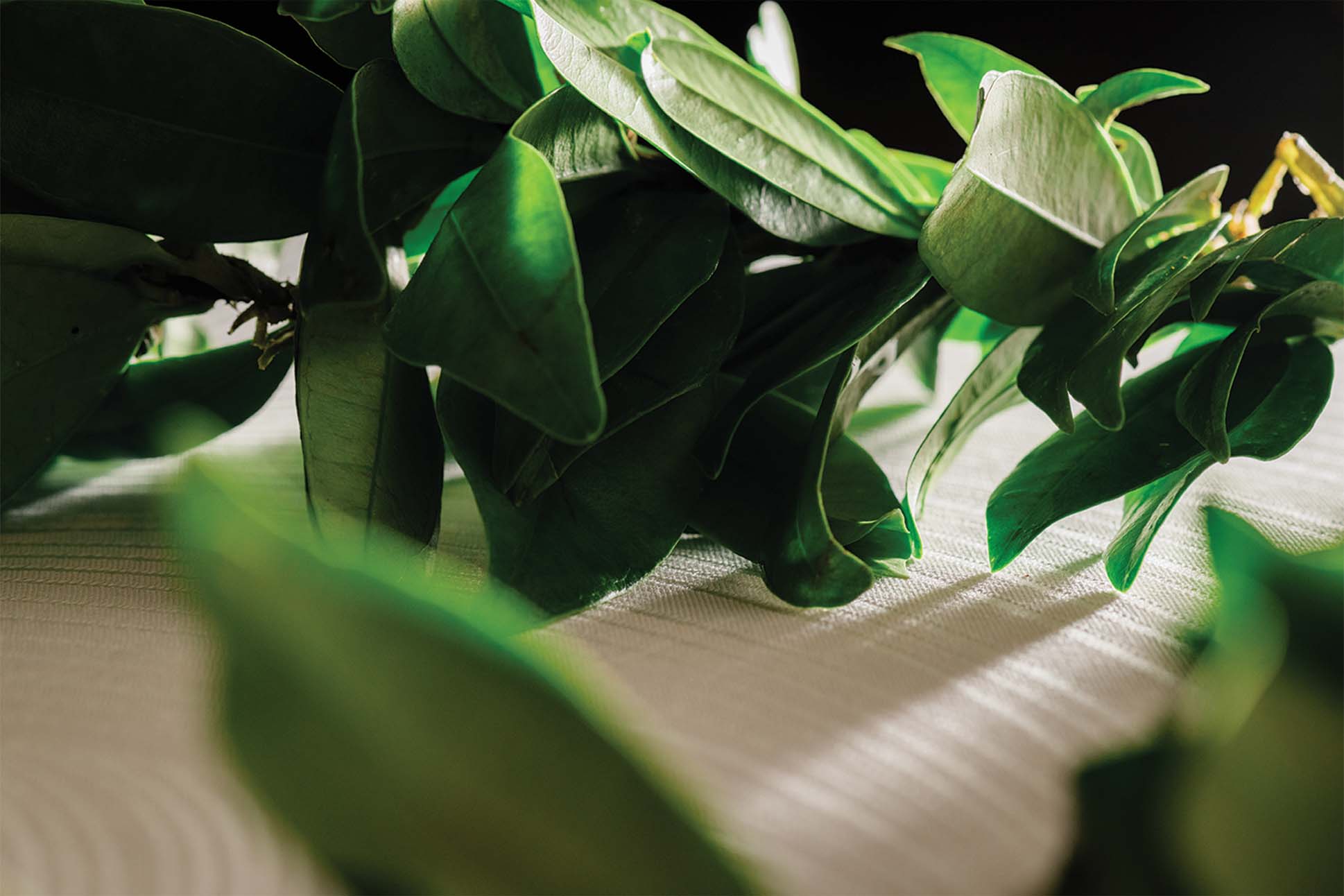
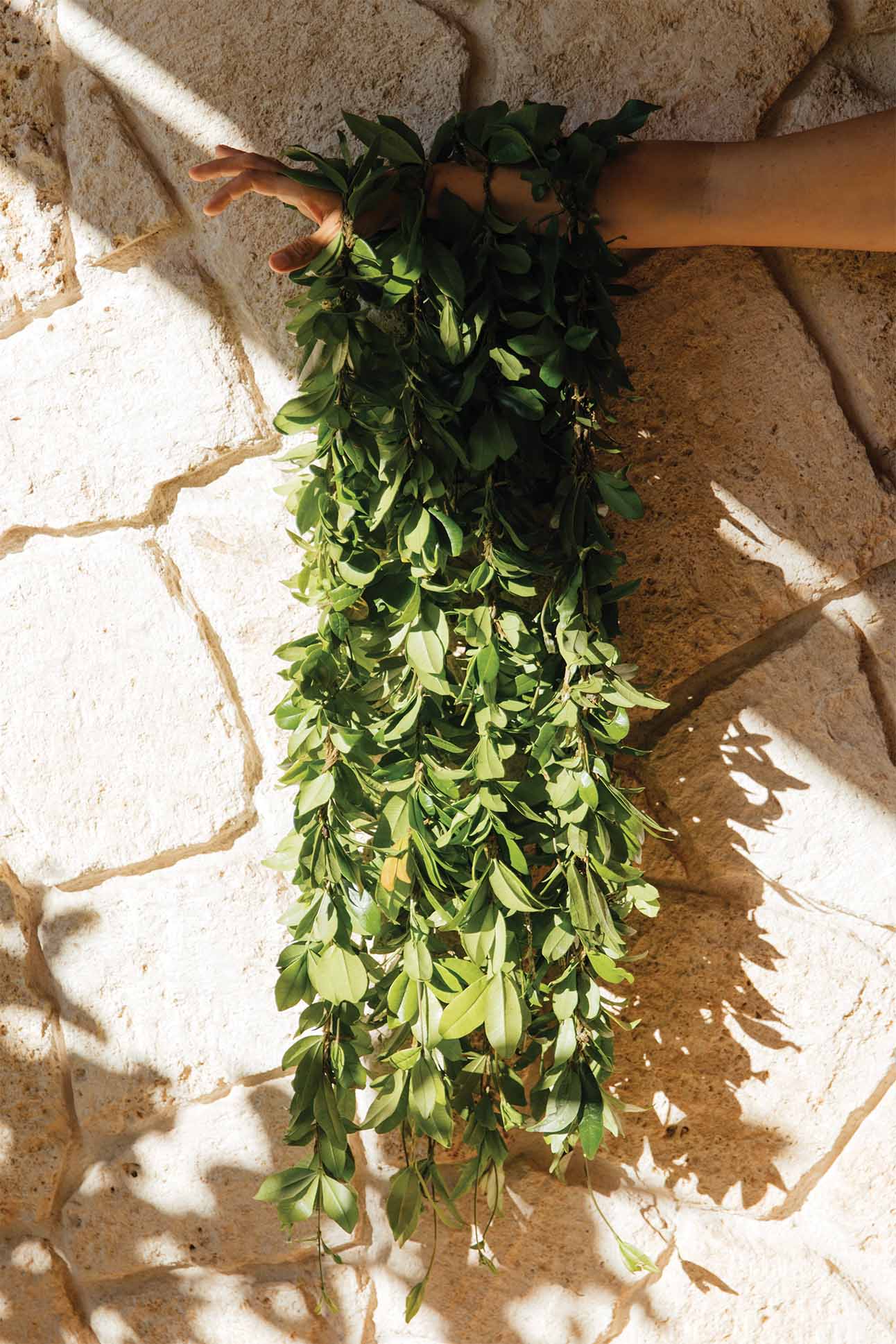
Among the most favored wedding lei for grooms, lei maile is made from fragrant maile vines, twisted together to form a long, regal garland. Prized for its leaf luster and gentle, vanilla-like fragrance, maile has been revered in Hawaiian culture for centuries. Oli (chants) and mele (songs) praise maile for its beauty, and warring chiefs exchanged maile as a peace offering. One of the five kino lau (physical manifestations) of Laka, the goddess of forests and hula, maile carries ceremonial significance. Worn open rather than bound, the lei reflects respect and unity, making maile especially meaningful in weddings.
Pīkake
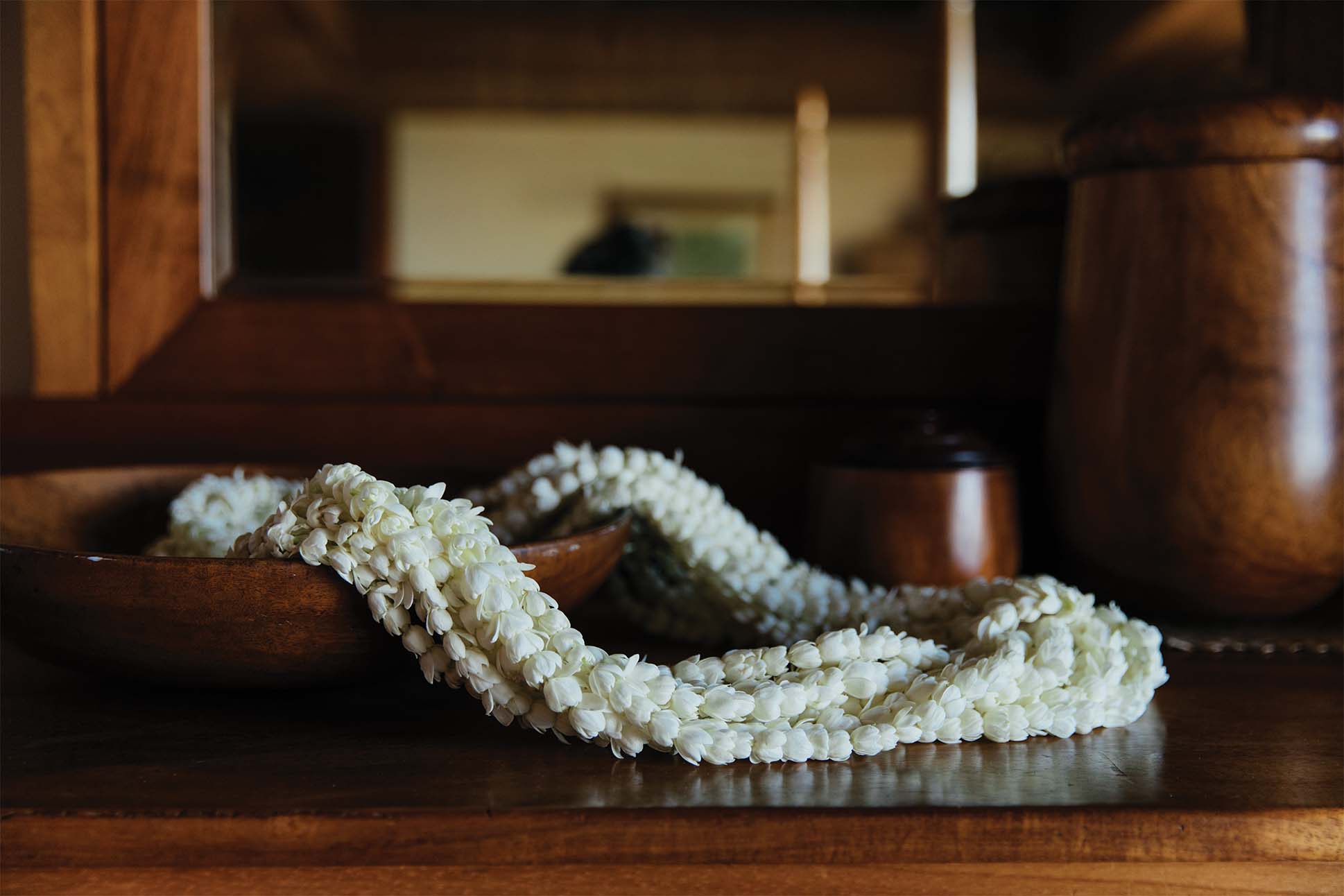
Pearly white pīkake buds are among the most treasured flowers for a wedding lei due to their lovely fragrance. A jasmine variety native to India and not originally from the islands, pīkake still has deep roots in Hawai‘i, introduced by foreign tradesmen in the 1860s. Princess Ka‘iulani became enamored with the fragrant buds and planted them throughout her Waikīkī estate. Her beloved peacocks would lounge in the shade cast by the bushes, and eventually the flower came to be known as pīkake, named after the birds. At weddings, brides are often bedecked in multiple thick strands of lei pīkake.
Pakalana
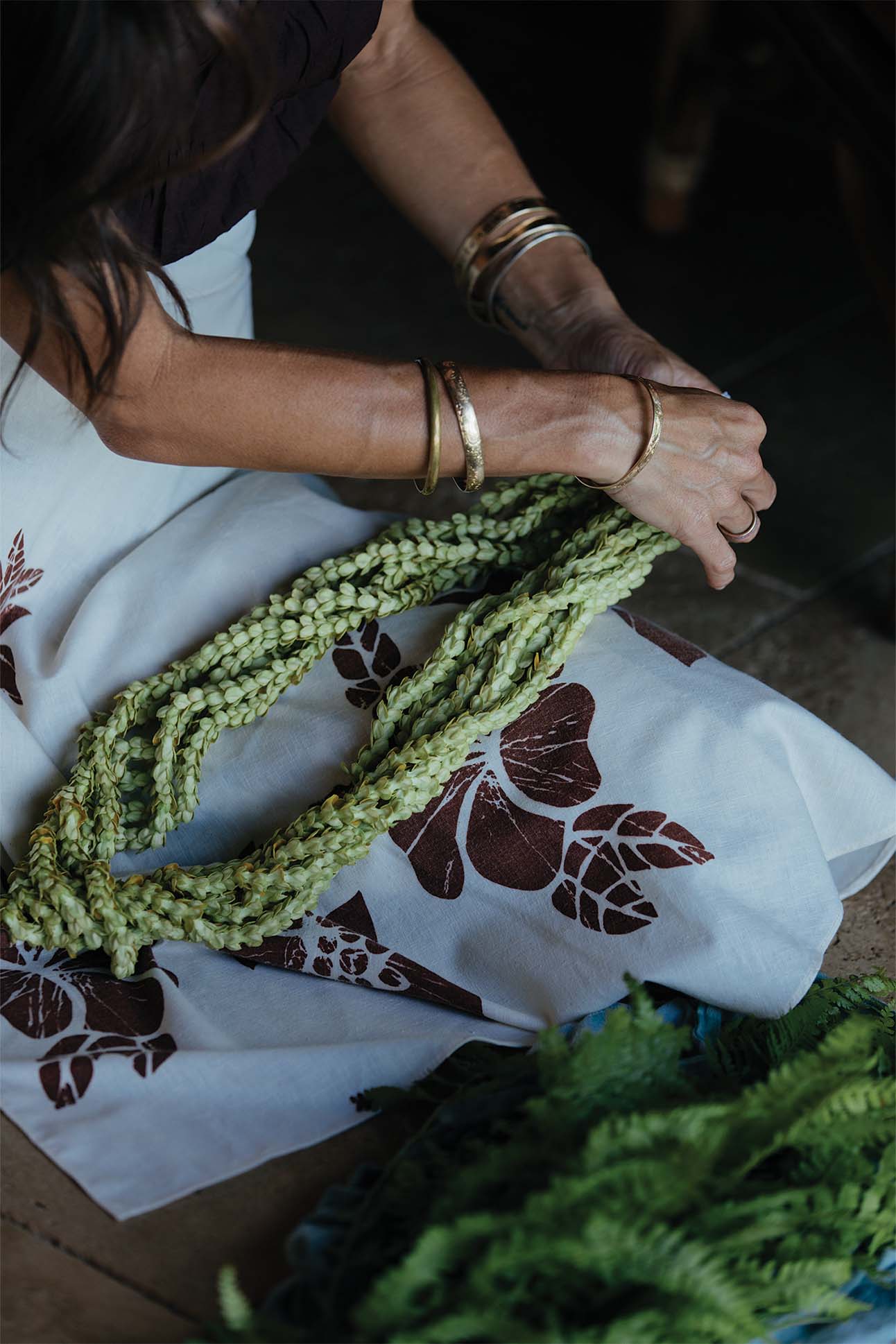
Pakalana’s yellow-green blossoms are prized for their heady, citrusy scent. Like pīkake, pakalana was introduced to the islands from Asia and, over time, became integrated in Hawaiian lei culture. These small, elegant flowers can be strung into multiple strands and twisted together to form a fuller lei. Pakalana blooms seasonally, typically available from April through September. In contemporary Hawai‘i, pakalana is commonly reserved for weddings and other special occasions that emphasize fragrance and sophistication.
