
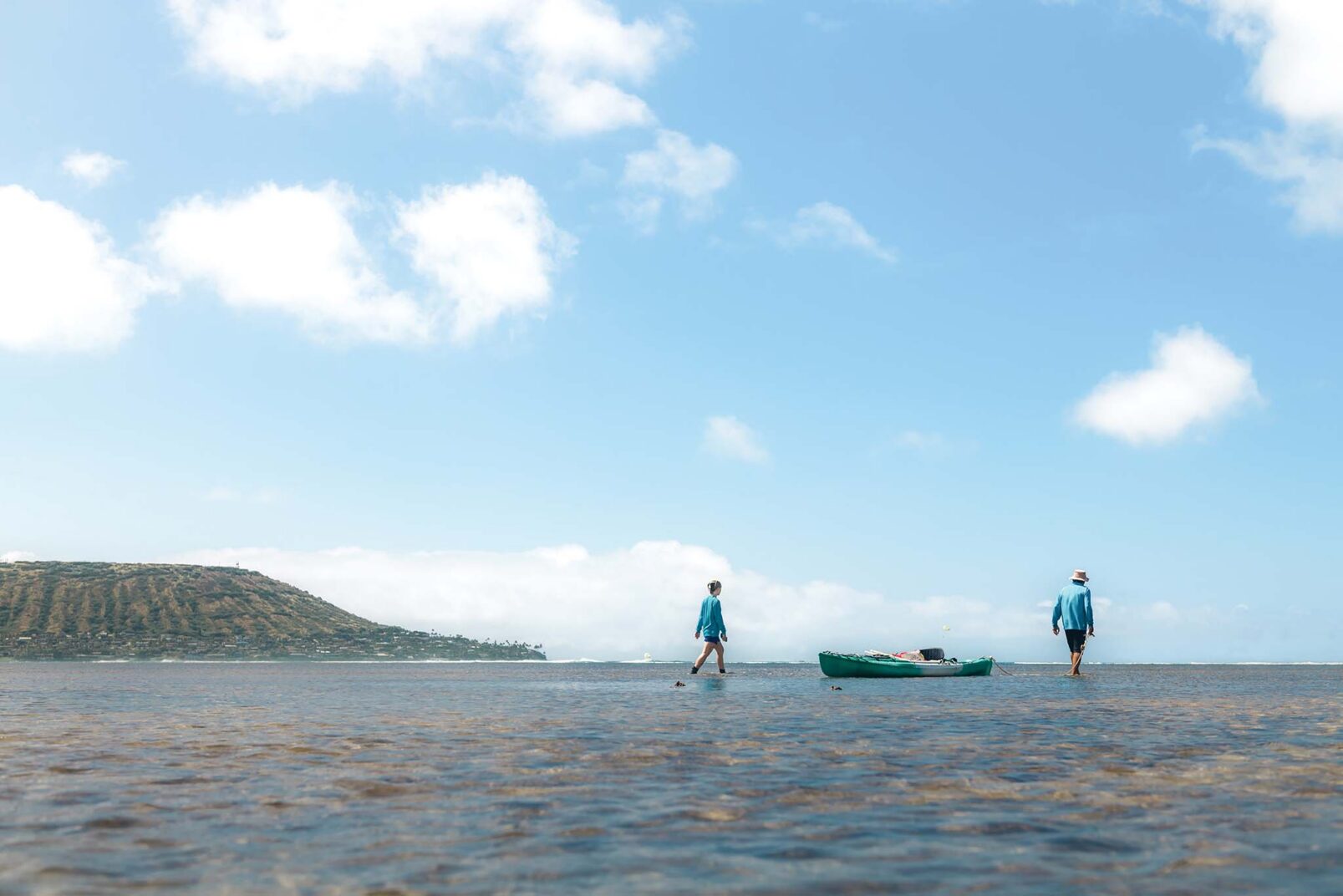
Shaped by rapid urbanization, Maunalua Bay was on an all-too-familiar path of decline. Then, in 2009, the wider world seemed to recognize what community organizers had known was possible for years. That July, Congress provided $3.4 million for the removal of 3 million pounds of invasive algae that had been choking out native seaweed in the bay.
A hui (group) of longtime residents led the grassroots effort to fill bag after bag with gorilla ogo, prickly seaweed, and leather mudweed. They called themselves Mālama Maunalua in honor of their shared commitment to caring for the bay. “More than anything, the founding of Mālama Maunalua was a responsibility that the people who grew up in this area felt,” says the organization’s executive director, Doug Harper. “And it was a love they felt for the area that drove them to do whatever they could to reverse what was happening.”
Maunalua Bay stretches for 6 miles along O‘ahu’s southeast shore, from Koko Head to Lē‘ahi (Diamond Head). It was once known for holding the largest fishpond in Hawai‘i, a massive loko i‘a spanning over 500 acres. But in the middle of the 20th century, American industrialist Henry Kaiser developed the inland area of Maunalua into residential housing. The neighborhood, called Hawaii Kai, replaced family-owned dairies, farms, and ranchlands. Dredging and rock walls transformed the fishponds, and water quality plummeted from the increased development, pesticide runoff, and stream diversion. By 2002, the Hawai‘i State Department of Health declared Maunalua Bay an “impaired water body.”
Around the same time, Austin Kino was growing up in ‘Āina Haina, surfing and fishing in the bay without much thought to its water quality. Kino’s own watershed moment came nearly a decade later, when Mālama Maunalua hired him to interview more than 40 fishermen about their experiences and priorities. He was struck by the nuance that each person brought to the discussion. While some emphasized invasive algae, others pointed to impacts from silt buildup and the concrete-lined drainage streams that fed into the bay.
“The goal of that was to create a management plan,” he says, which “after all these years has finally come together.” In 2025, the state named Maunalua Bay a fisheries management area, a designation two decades in the making. Along with the title came new rules that restrict nighttime spearfishing and prohibit the capture of ecologically and culturally important sea creatures, including ‘alakuma, ula, and Triton’s trumpets. Harper believes the designation will have a “lasting impact on the improvement of the health of the bay.”
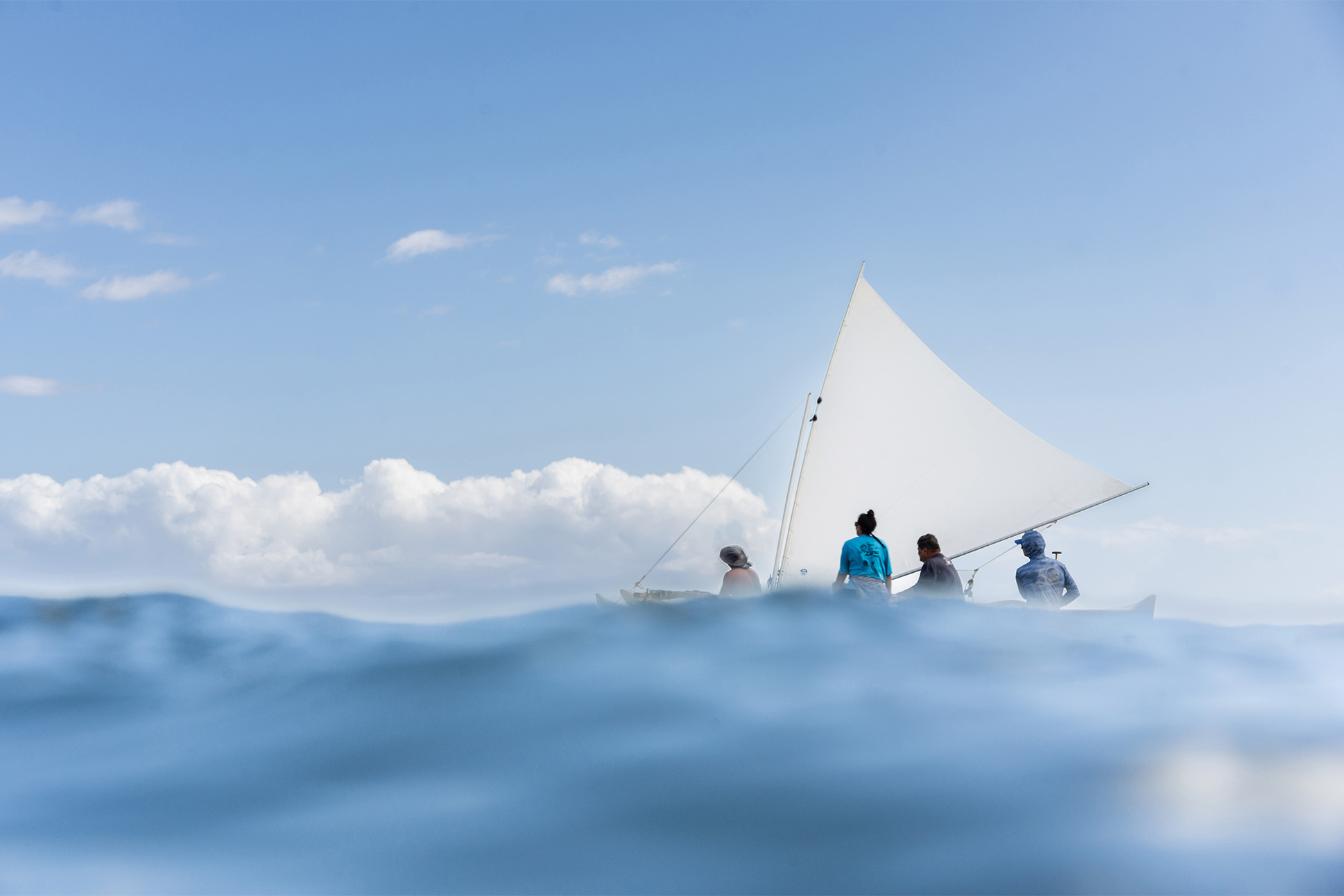
Kino now runs his own nonprofit organization, Huli, leading a collective of ocean-lovers that takes local students out on the bay to teach them conservation, leadership, and seafaring skills. Kino and his co-founder, Jesse Yonover, met in 2014 as crewmembers on the Polynesian voyaging canoe Hōkūle‘a as it circumnavigated the globe.
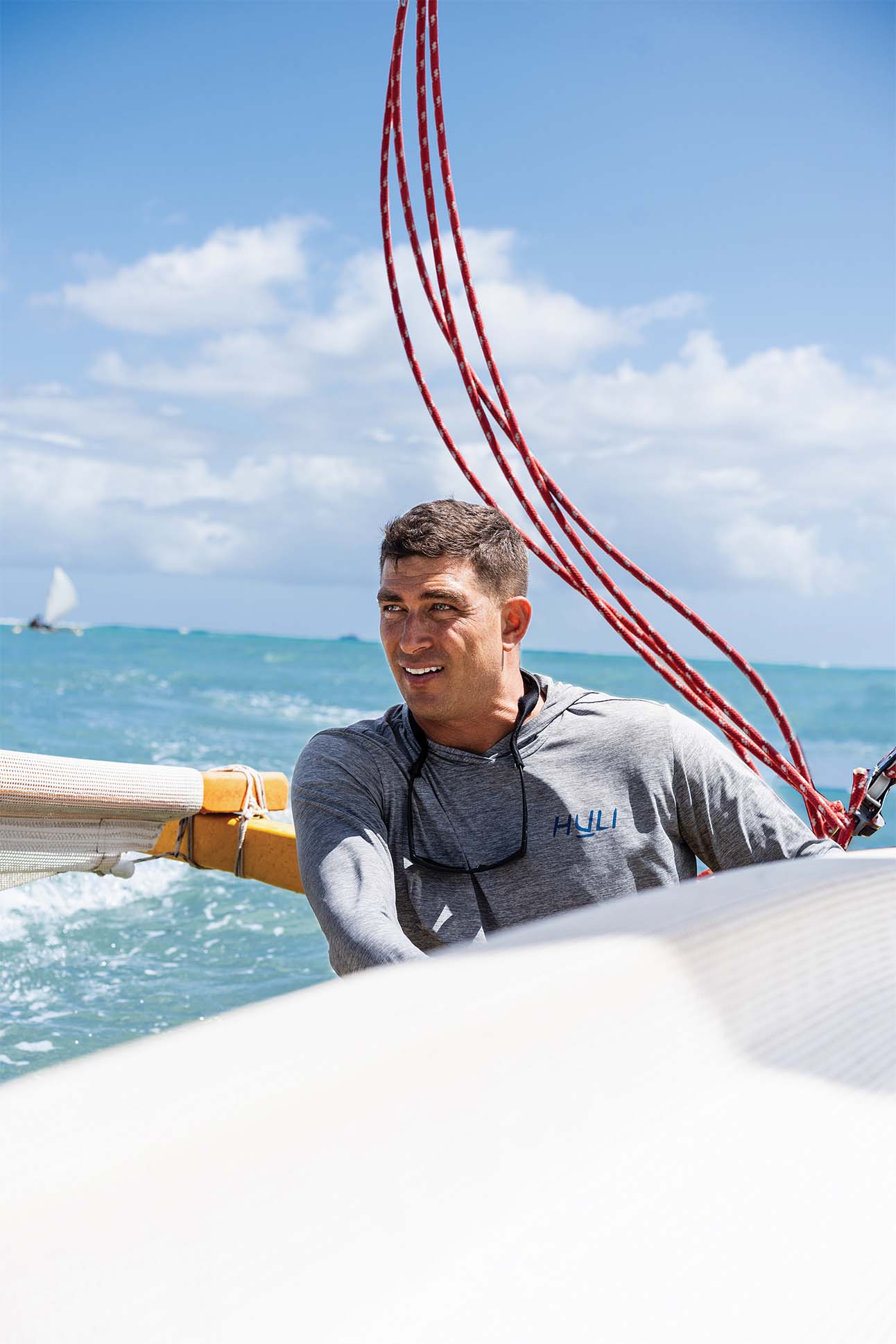
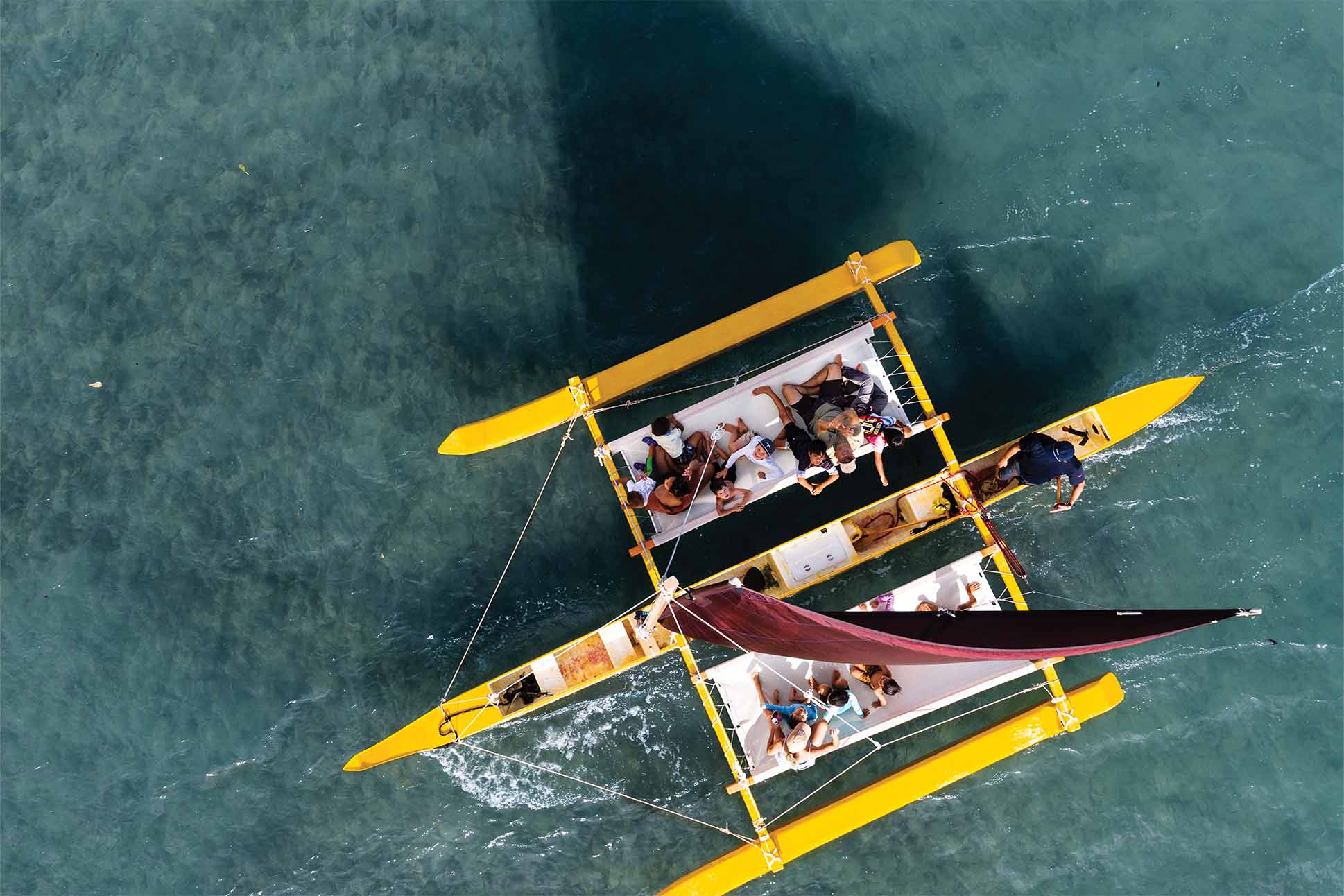
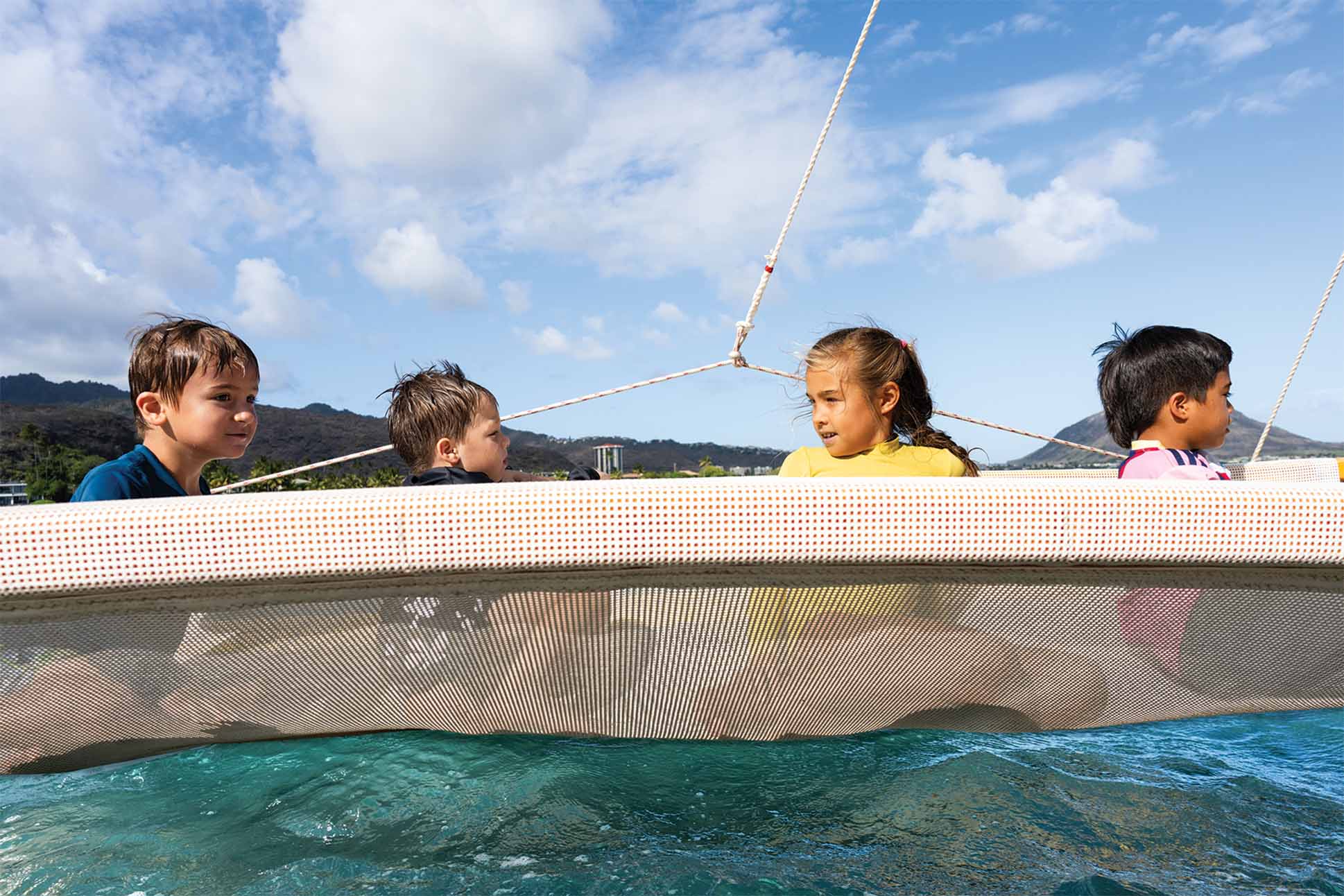
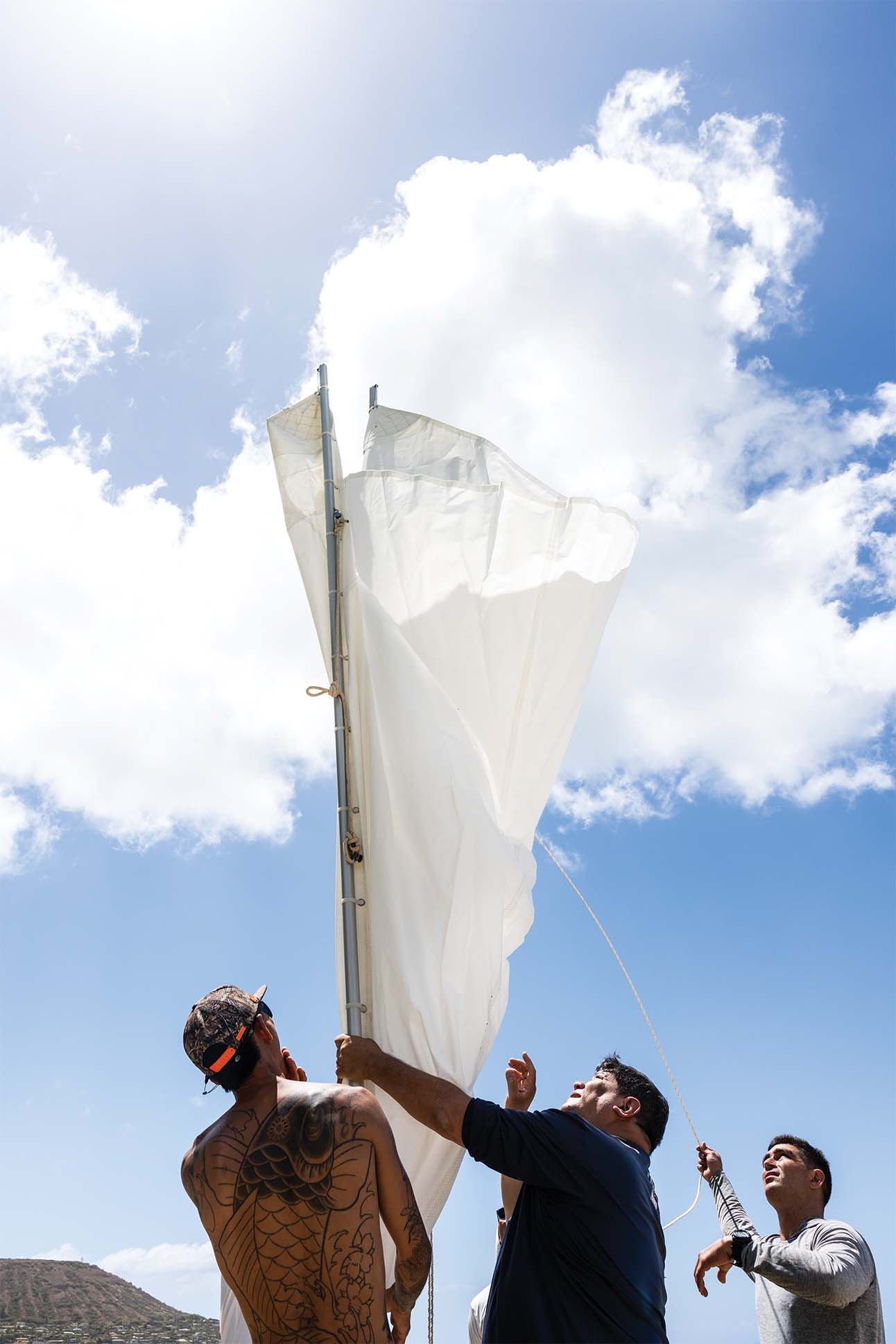
“The theme of the voyage was Mālama Honua, which means to care for our island Earth,” Kino explains. “What that meant was visiting all these communities that were taking some kind of action. Jesse and I, after coming off of this fisherman survey and working for Mālama Maunalua, we just said we should really get something started here that can outlive [that mission] after the canoes return home.”
Students whose first experiences of the bay were sailing on a canoe with Huli have gone on to pursue degrees in environmental science at nearby universities. Kino says he’s even seen former high school volunteers come back to conduct research in Maunalua Bay, a full-circle moment that still sticks with him. “You can’t protect something unless you love it,” Kino says. “Growing up, I was guilty of just driving right past these places. So we’re trying to help with the exposure, and then hope people form a connection.”
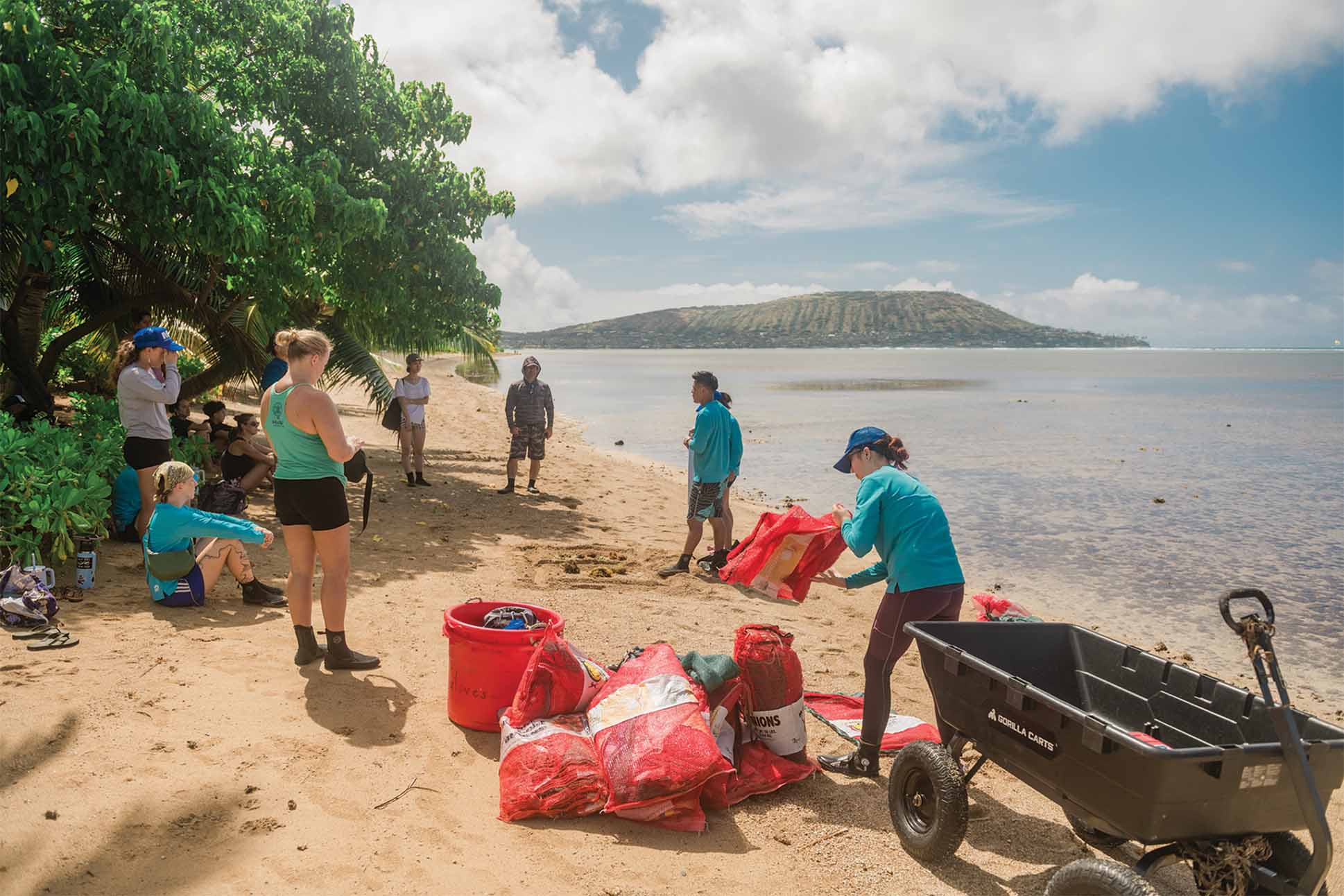
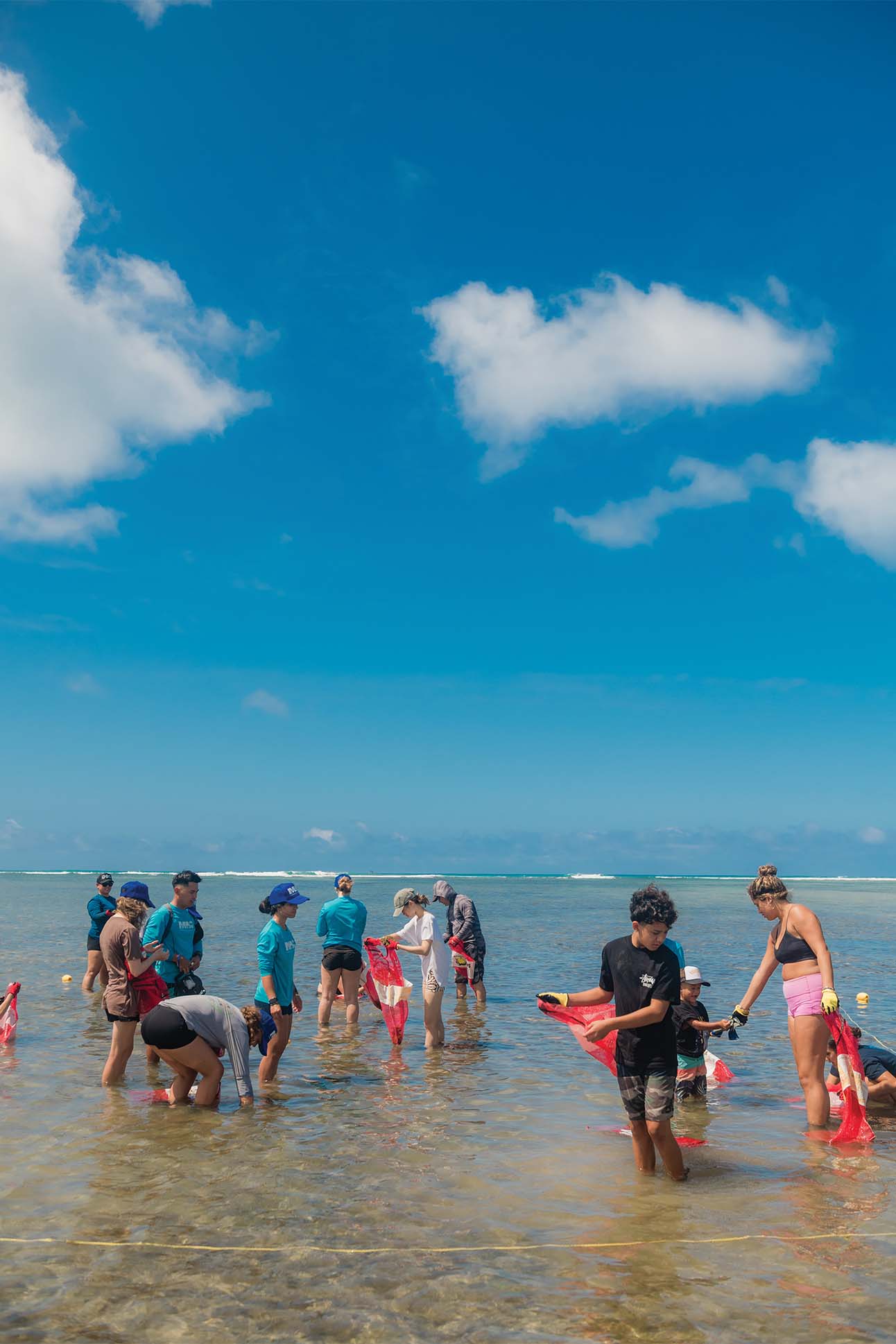
Mālama Maunalua, meanwhile, still hosts regular community workdays in and around the bay, where volunteers remove invasive algae, outplant coral fragments, and clean up surrounding rain gardens to protect the bay from runoff. They’ve removed 50,000 pounds of invasive seaweed each year, and residents and visitors alike come away with a better understanding of the history and future of the bay. “Anytime you go out and you work with people from the community, you get involved in the environment, you hear about the history of the area, the culture, it gives you a far greater appreciation and enjoyment in being where you are,” Harper says.
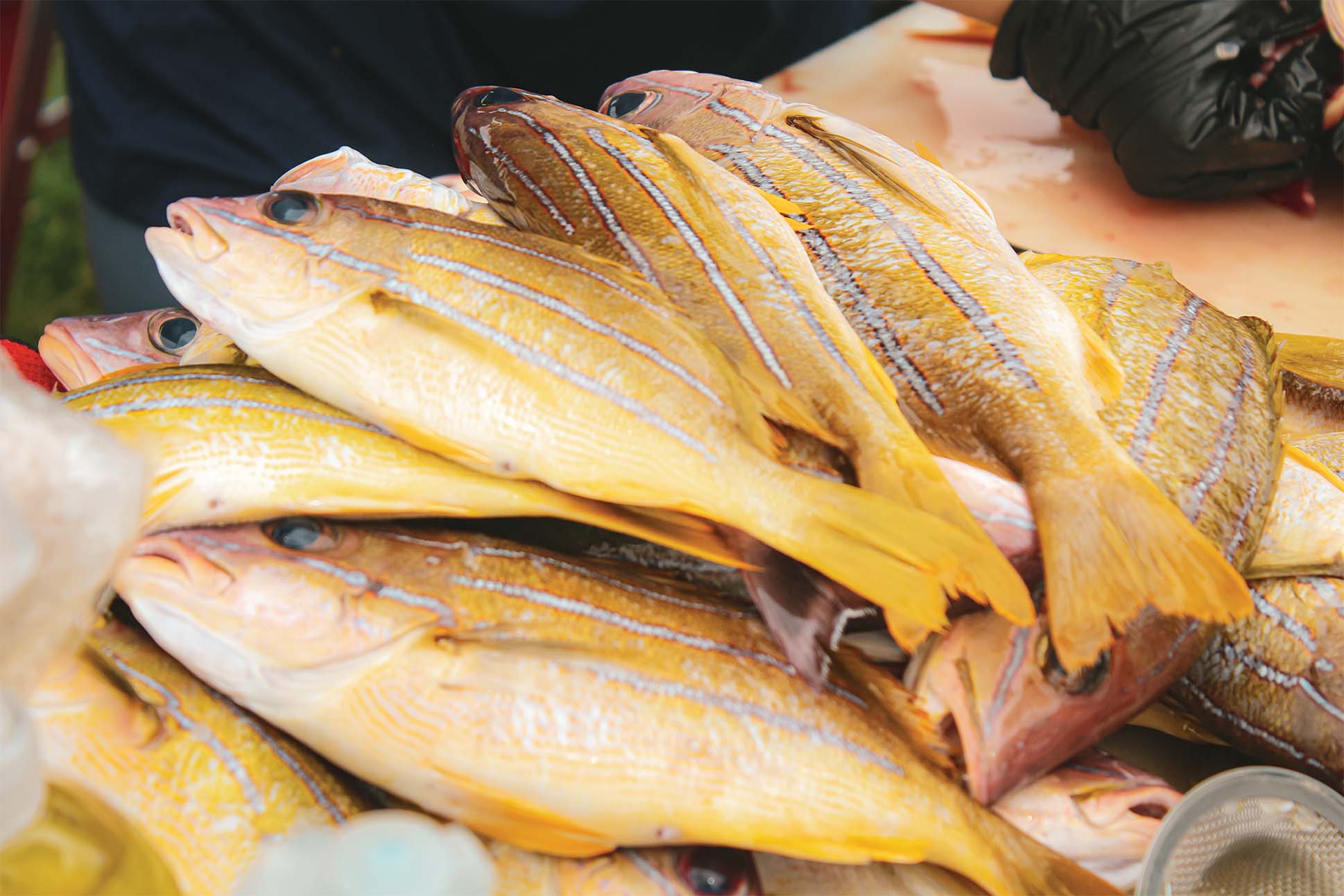
The organization has also expanded into partnerships with coral restoration groups, along with organizing an Eat the Invaders fishing tournament in February 2026. Over 120 fishers caught nearly 3,000 invasive fish, culminating in a community event with partner organizations Local I‘a and Chef Hui serving up ceviche, smoked ta‘ape (bluestripe snapper) dip, and fried fish.
On days when he’s busy writing reports or filling out paperwork, Harper reminds himself to stop and reflect on the work done and the work yet to do. He tries to see the restoration effort through the eyes of kūpuna (elders) in the community—like Auntie Karen, who has spent 70 years living near the bay and has seen it go from dairyland to a residential community.
“Knowing there are people for whom this has been their home for decades, and they’re seeing the benefits of what we’re doing,” Harper says, “it really is something that gives you a little lift in your step. OK, this is worthwhile.”
