
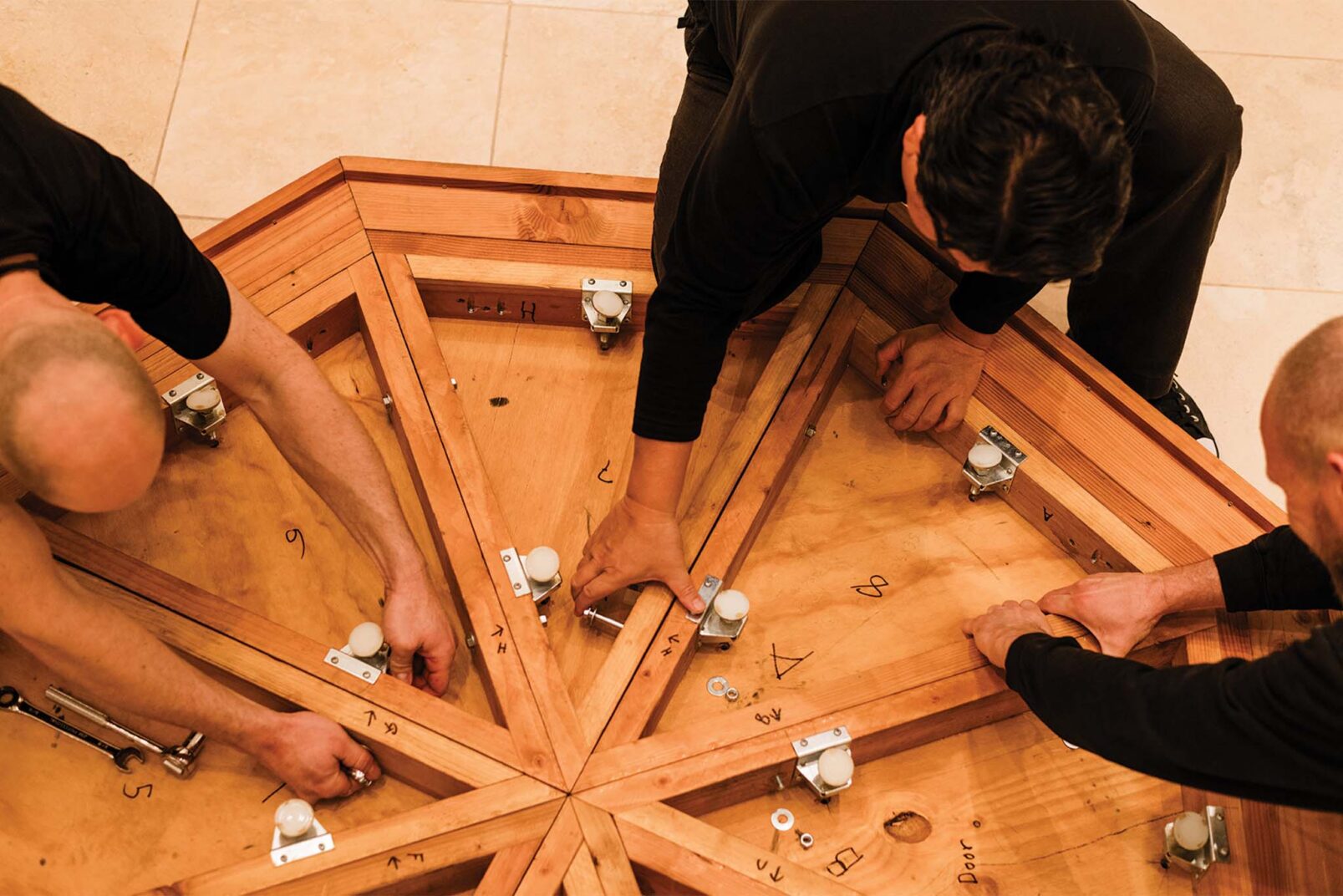
I place one foot in front of the other, walking in a circle around an invisible point on the floor. It takes me approximately six strides to complete the circle. With each pass, I have the faintest impression of raking a pattern in the gravel of a Japanese dry garden, an act I imagine brings about the same meditative trance that settles over me now.
Though I’m in a guest room at Halekulani, not far from the hot clamor of Waikīkī, the space is enshrouded in a venerable hush. Stripped of a bed, television, and all other amenities that formerly made it a hotel room, the setting conjures the asceticism of a dojo.
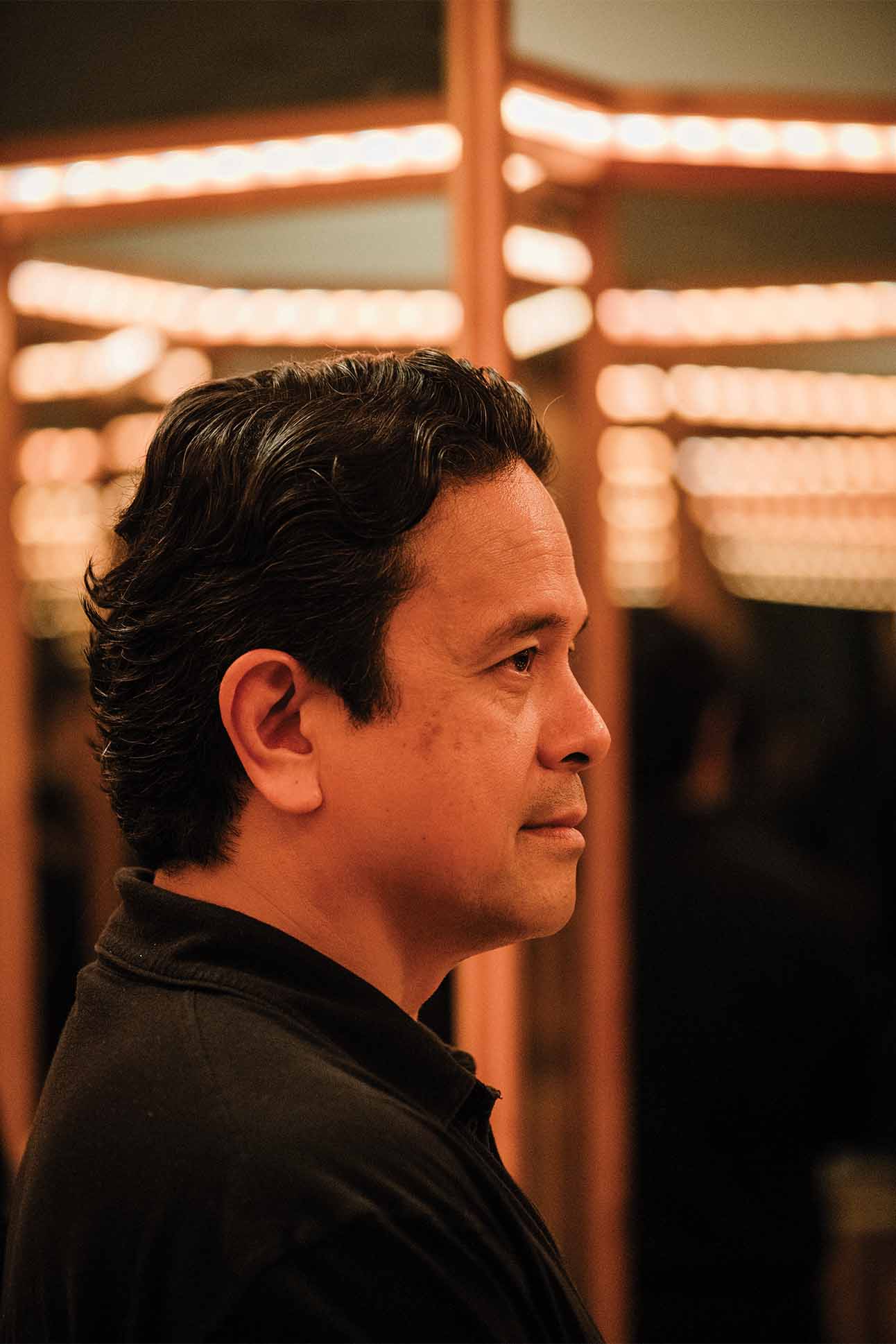
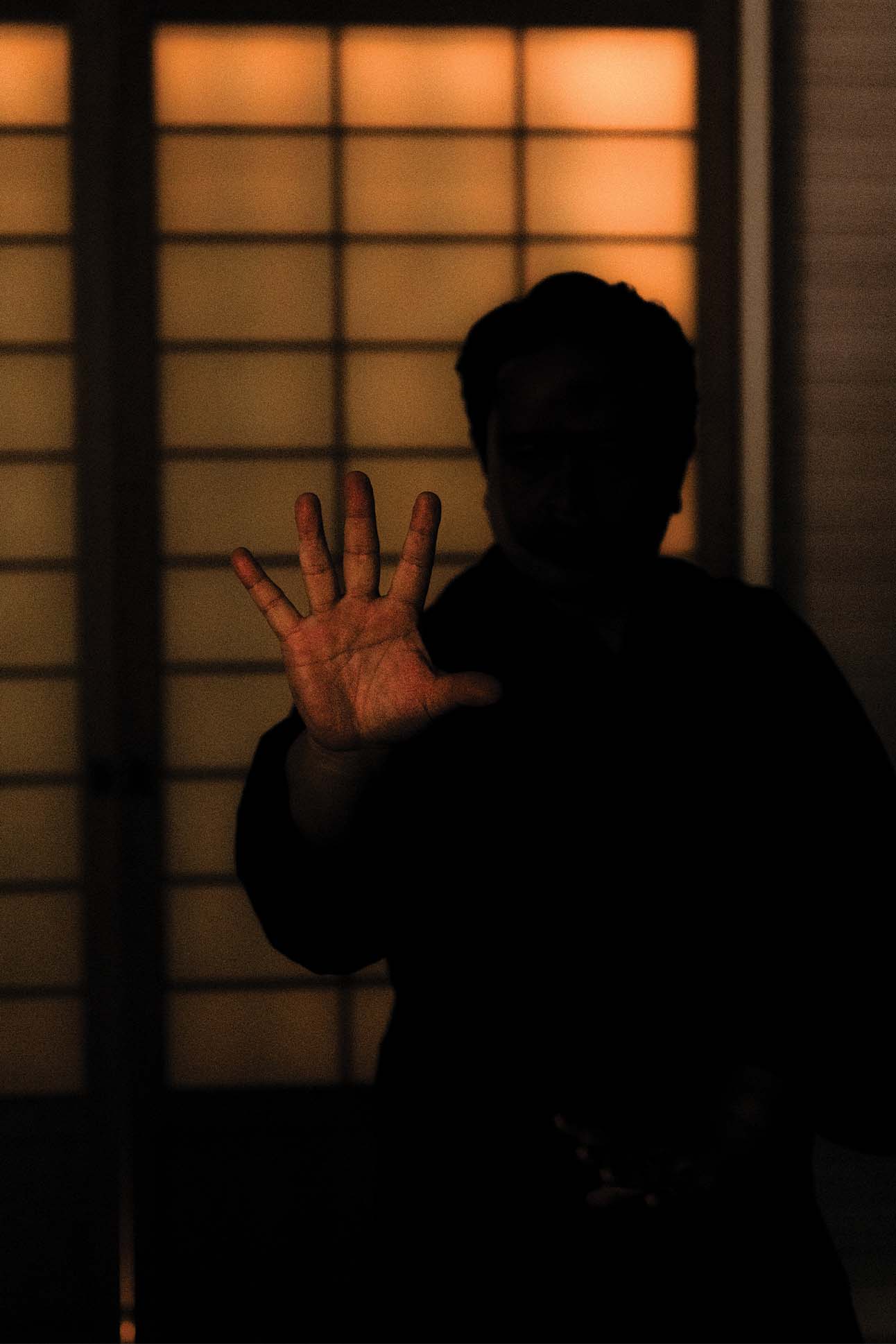
Atop the wall-to-wall carpeting are tatami mats the color of fresh-cut grass. A doorway that presumably leads to a closet is concealed behind a pair of shoji screens. On a lone shelf rests a wooden sword, its grain as intricate as the ridges of a wenwan walnut. The room’s sole piece of art hangs on a wall: a single perfect circle brushed onto paper in pitch-black ink, stark against the paper’s bright, white surface.
Its artist, the martial arts master Ray Carbullido, has been following me along the same circular path around the room. It is not lost on me that the circle we’ve been pacing mirrors the one framed on the wall. He demonstrates how to land my heel and roll along the arch onto the ball of the foot in one fluid motion, propelling my body forward and onto the next step. The toes lift. The opposite heel lands. On and on and on.
“Have the conscious mind focus, sincerely focus, and the unconscious mind can do its thing as well,” he explains. Regarded through the prism of Carbullido’s martial arts training, the seemingly simple task of walking becomes a profound act. It is a means to access stillness and brace against life’s inevitable and capricious churn, a principle on which his entire training—his entire life—has rested.
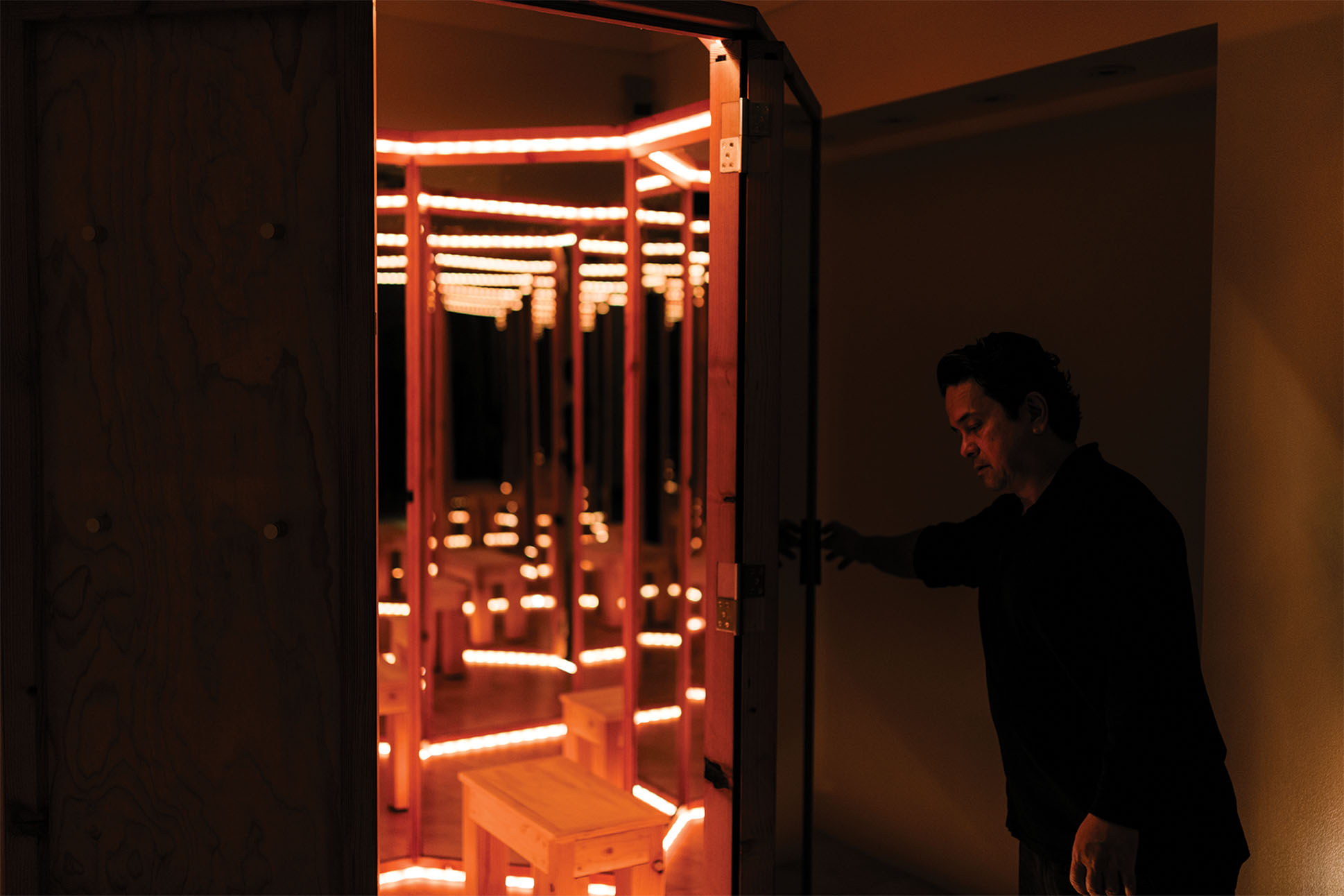
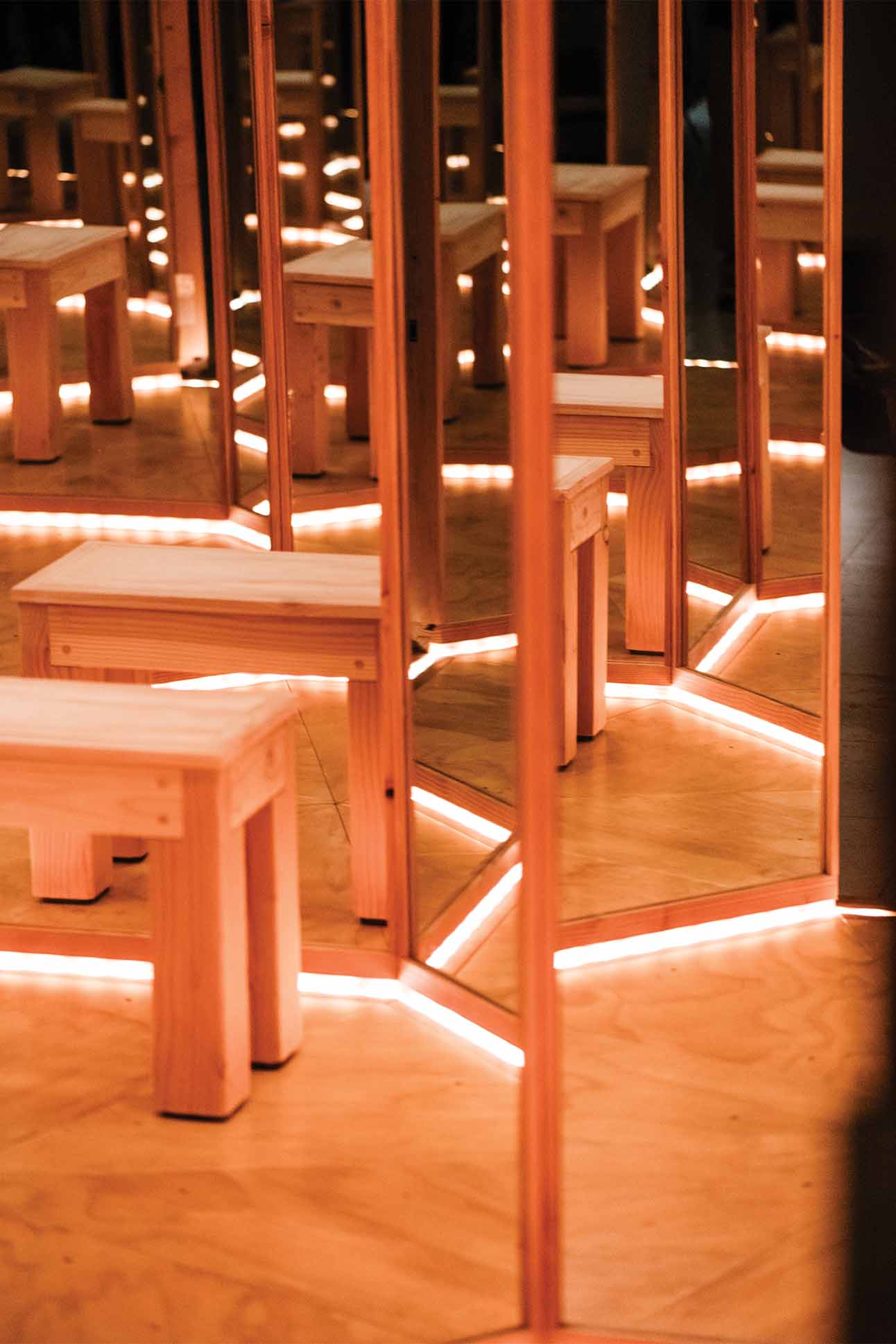
As a teenager in Guam, Carbullido found himself in a period of intense introspection. It was “a tough time,” he recalls, and he felt a hunger for “something to lean on, some kind of navigational tool.” He read all kinds of philosophical and spiritual literature, “just trying to gather anything,” he says.
It wasn’t until he ventured into the depths of martial arts that something took hold. There was something about the physicality of it, how his teacher could maneuver around an opponent with ease. More intriguing than that, though, was the undercurrent of wisdom that coursed through it all. “There are doors in my mind,” he thought. “If a door is closed, I want it closed because I’ve closed it, not because I don’t know how to open it.”
The more we are ourselves, the more we’ll be able to thrive in any environment.
Ray Carbullido, artist, martial artist, and teacher
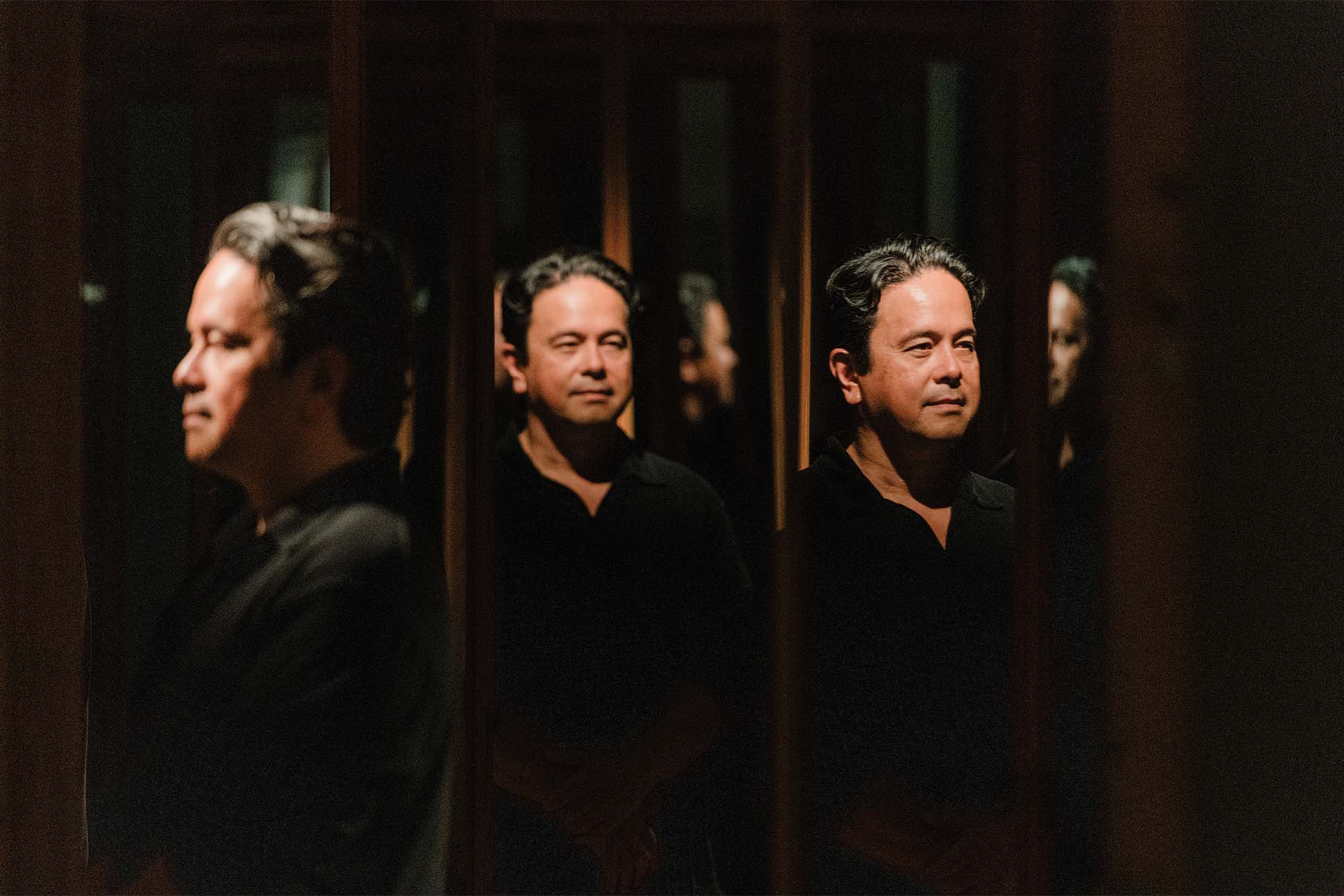
By 1995, he had made his way to Hawai‘i, where he began studying Baguazhang, a Chinese martial arts form that, along with Tengu swordsmanship, informs much of his practice today. As the years passed, he found himself becoming a living archive of the knowledge that had so intrigued and perplexed him in adolescence, his teachers bestowing increasingly esoteric philosophies upon him.
The teachings consumed him, along with an impulse to share them beyond the dojo, a call that only grew louder when he inherited his own martial arts school in 1998. Yet Carbullido knew some principles take years, if not decades, of martial arts practice to understand. It would be a disservice to present someone with concepts they can’t yet grasp, like expecting them to comprehend an entire book when you’ve only given them a single page. So how to convey centuries-old wisdom to those who may not yet have eyes to see? He became an artist. “Art is a means to communicate and transmit the gems of my training to a wider audience, a way for my actions and efforts to be timeless,” he says.
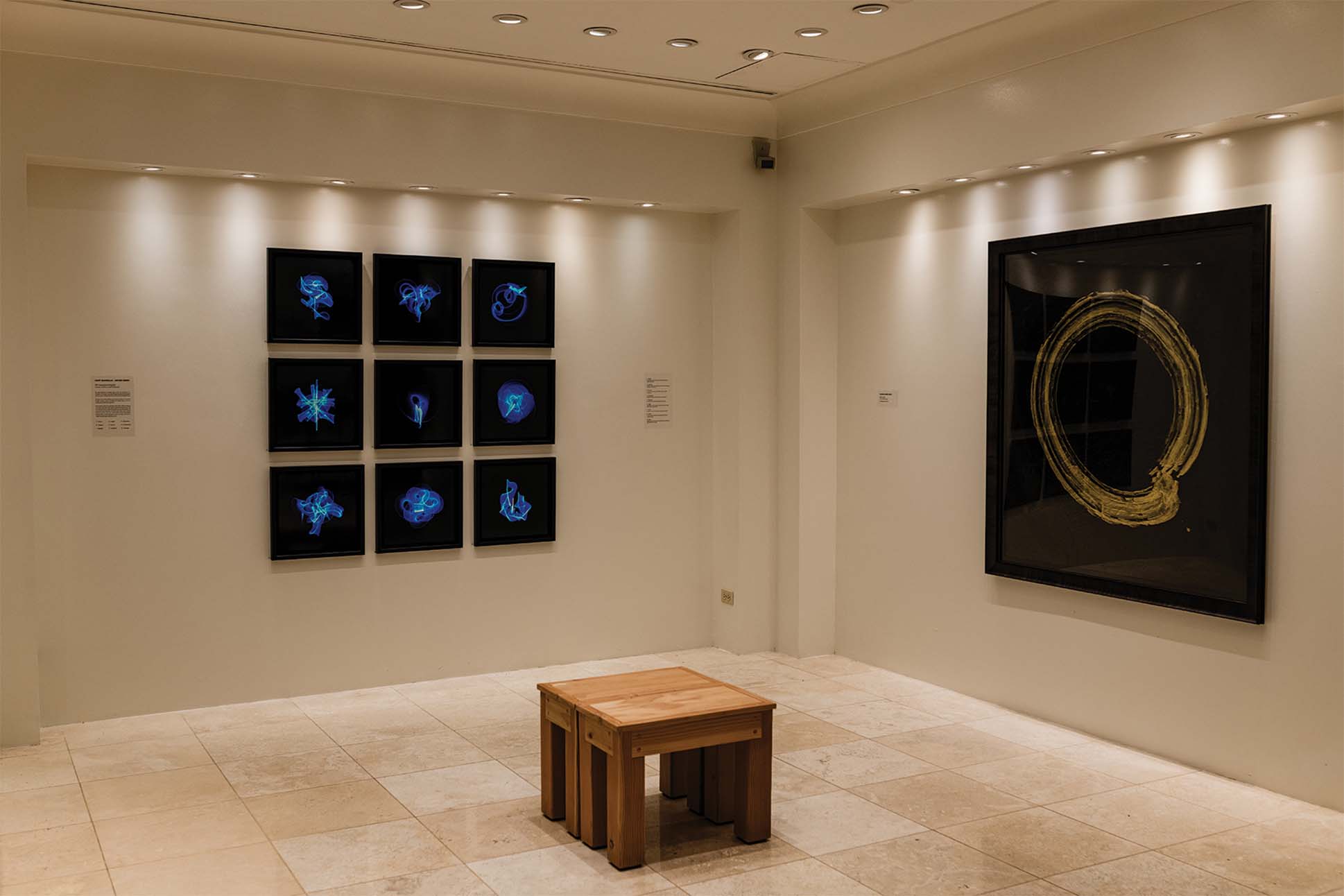
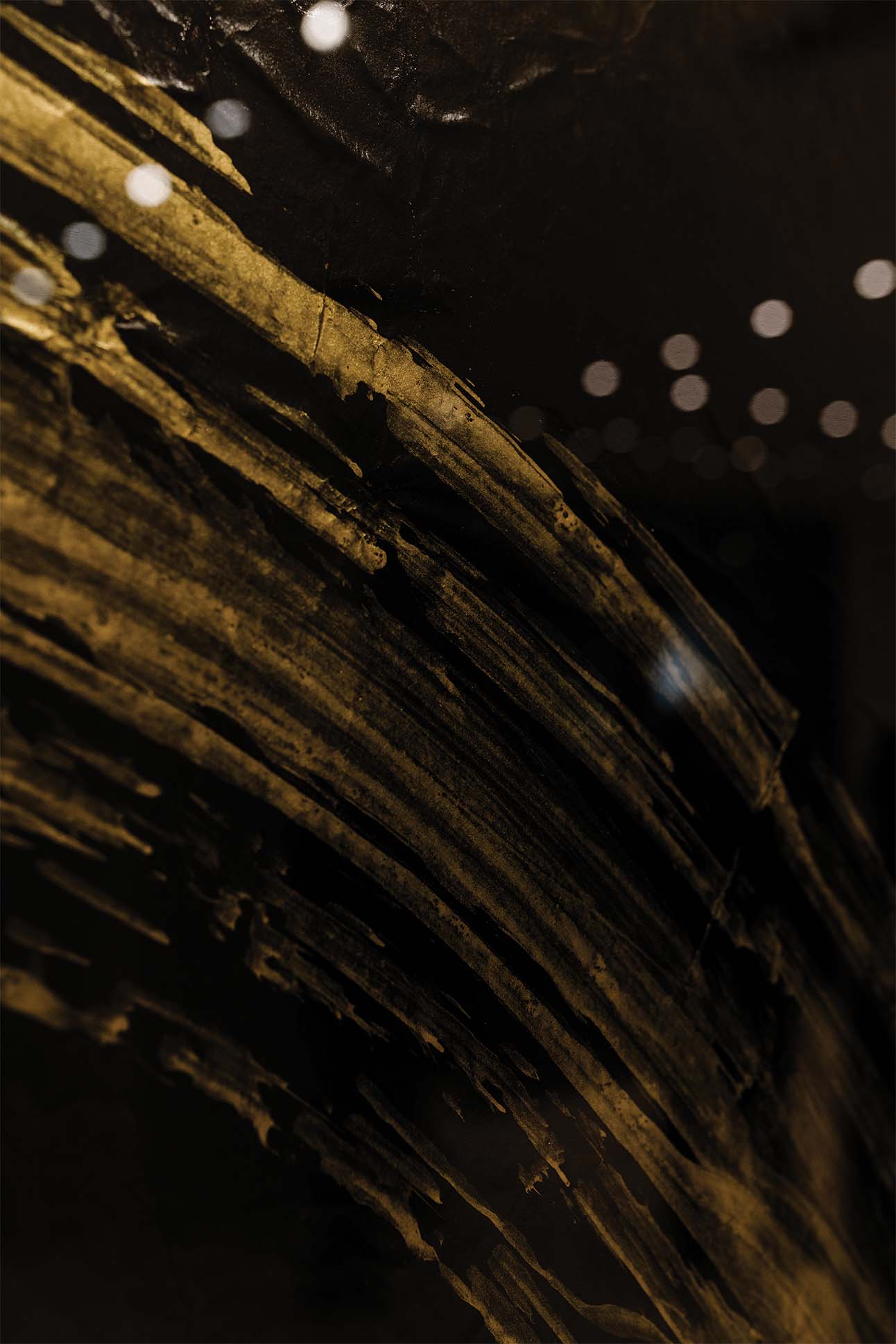
My attention returns to the framed artwork hanging on the wall at Halekulani: the sacred circle of Carbullido’s bagua tradition. It is perhaps the motif that recurs most in his work, a representation of his various philosophies on change, the self, and achieving what he calls a “high-vitality life.” “There is no center of the circle, but you kind of know where it is, right?” he says, offering one explanation. “So, within us—and I’m going to be very careful with my words—a part of you is a center of a circle, meaning your vision creates this circle of experience around you.”
Carbullido believes that certain wisdom can only be transmitted through “embodied teaching.” We walk in a circle to experience the cyclical nature of change. He has me hold a variety of hand positions—a clenched fist, a limp wrist, an open palm—to illustrate the concept of high vitality. We engage our peripheral vision to consider the power of our subconscious.
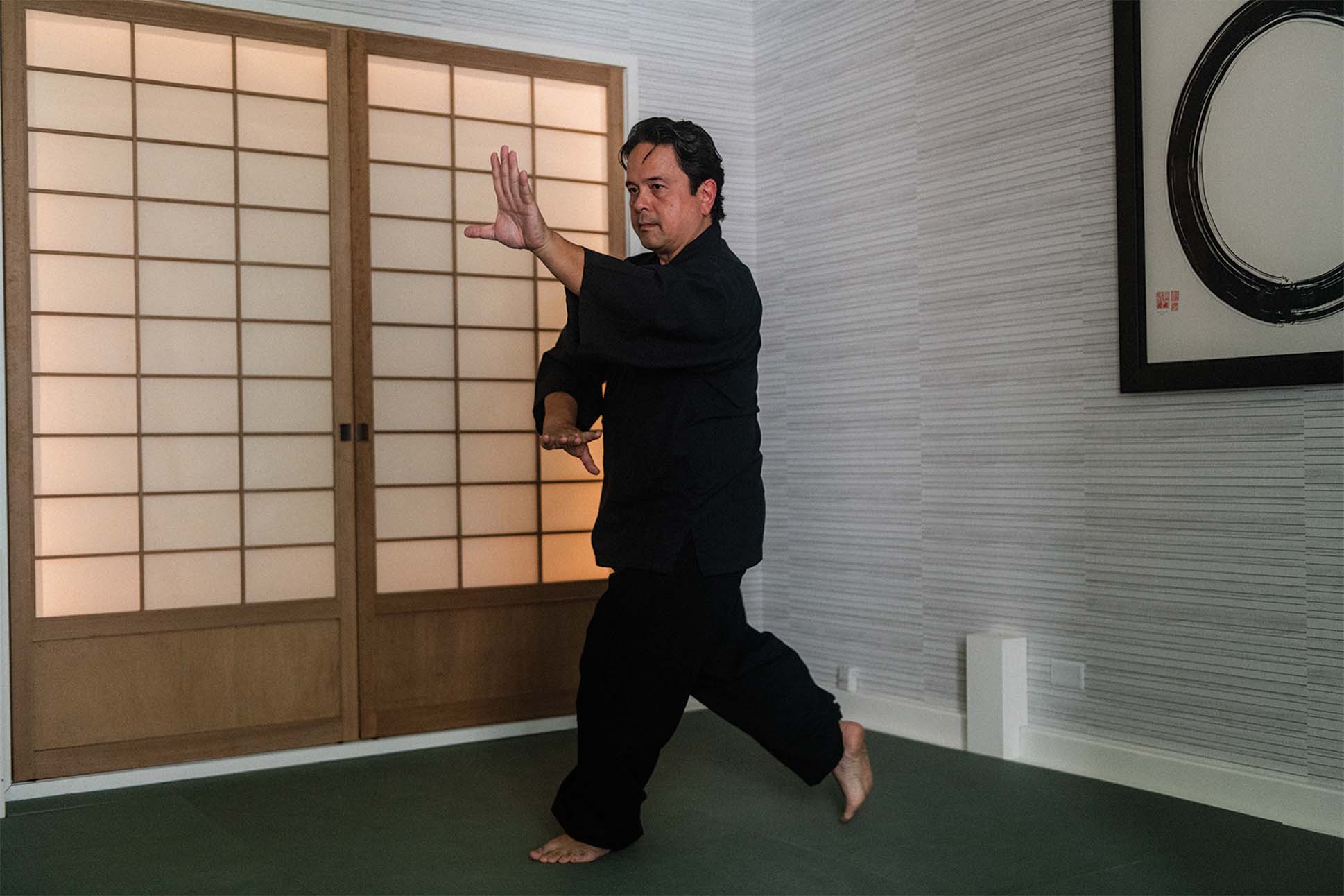
Carbullido is quick to note that, though his lineage is rooted within distinct martial arts traditions, his teachings do not adhere to a particular religion, creed, or school of thought. One need not be interested in martial arts to train with him. “In the martial arts context, every blow could potentially be lethal,” he says. “How do you stay composed?”
That same question applies in everyday life, Carbullido ventures. “Life and death [can look] like, if I don’t pay my bills, if I don’t go to work, I might become homeless or I don’t eat,” he says. “It’s not swords and weapons, but the main premise is still the same. The more we are ourselves, the more we’ll be able to thrive in any environment.”
