
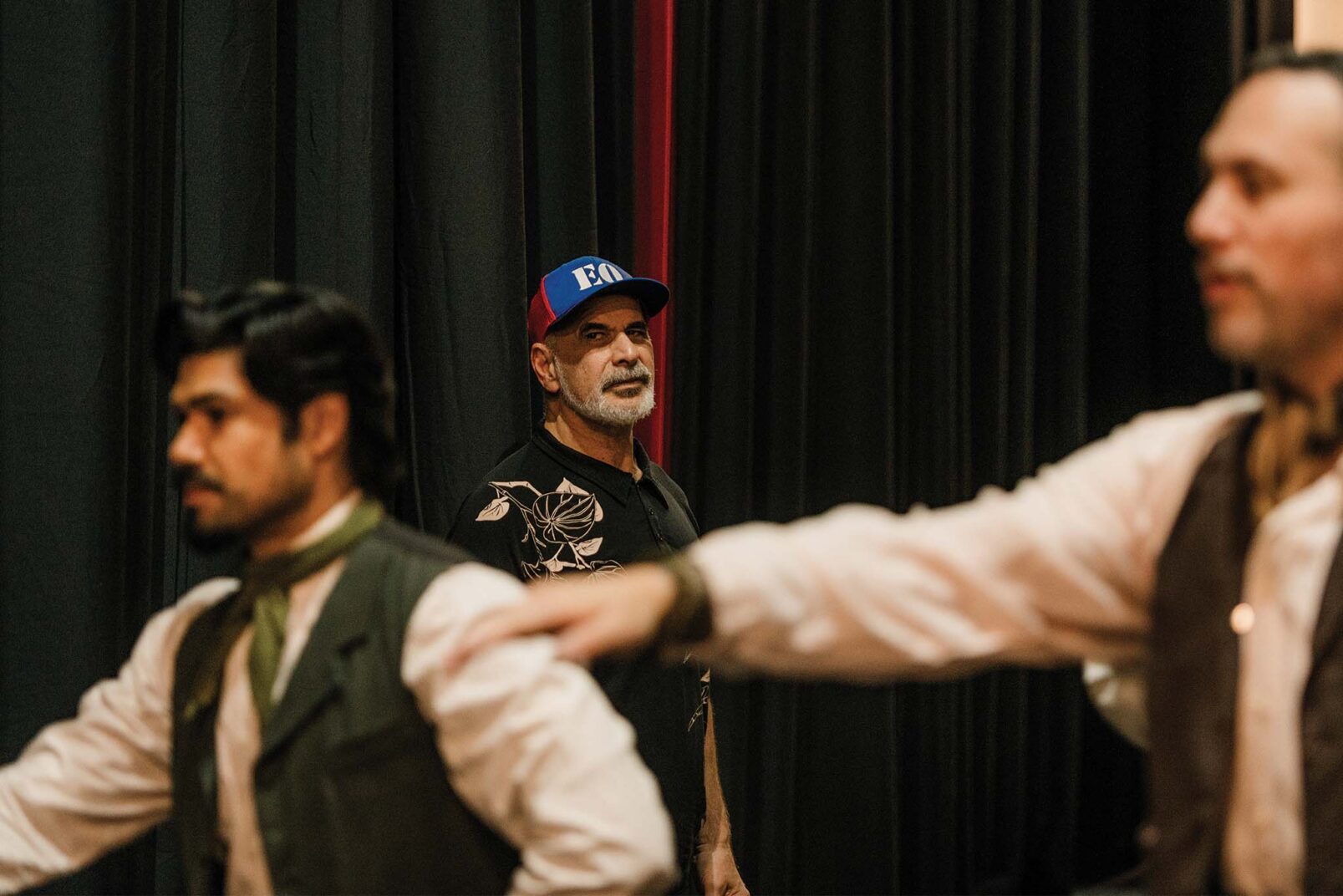
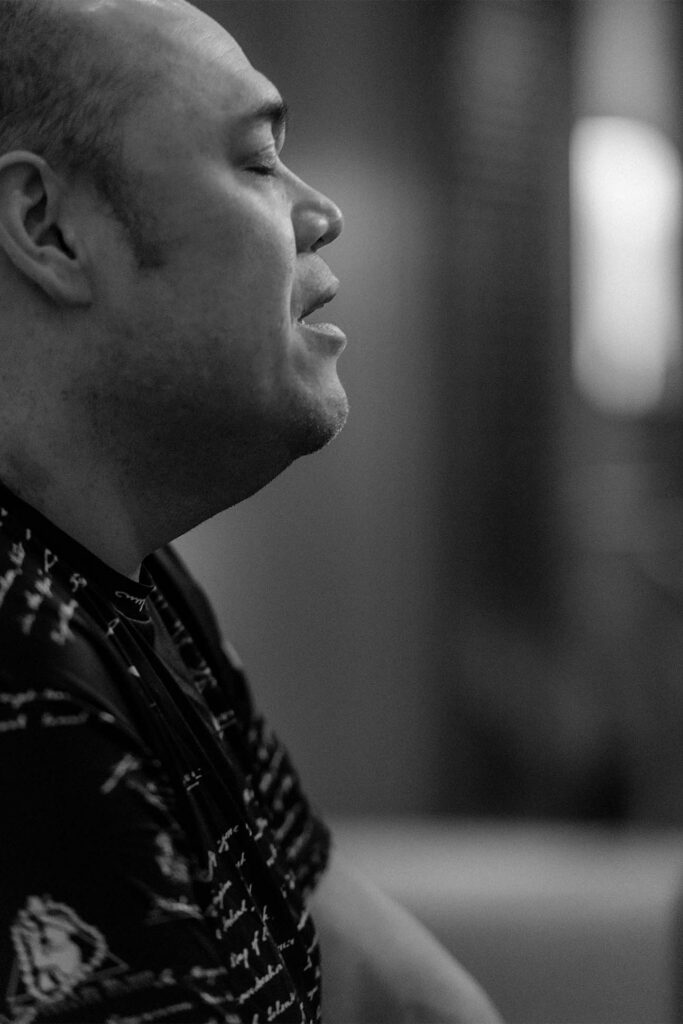
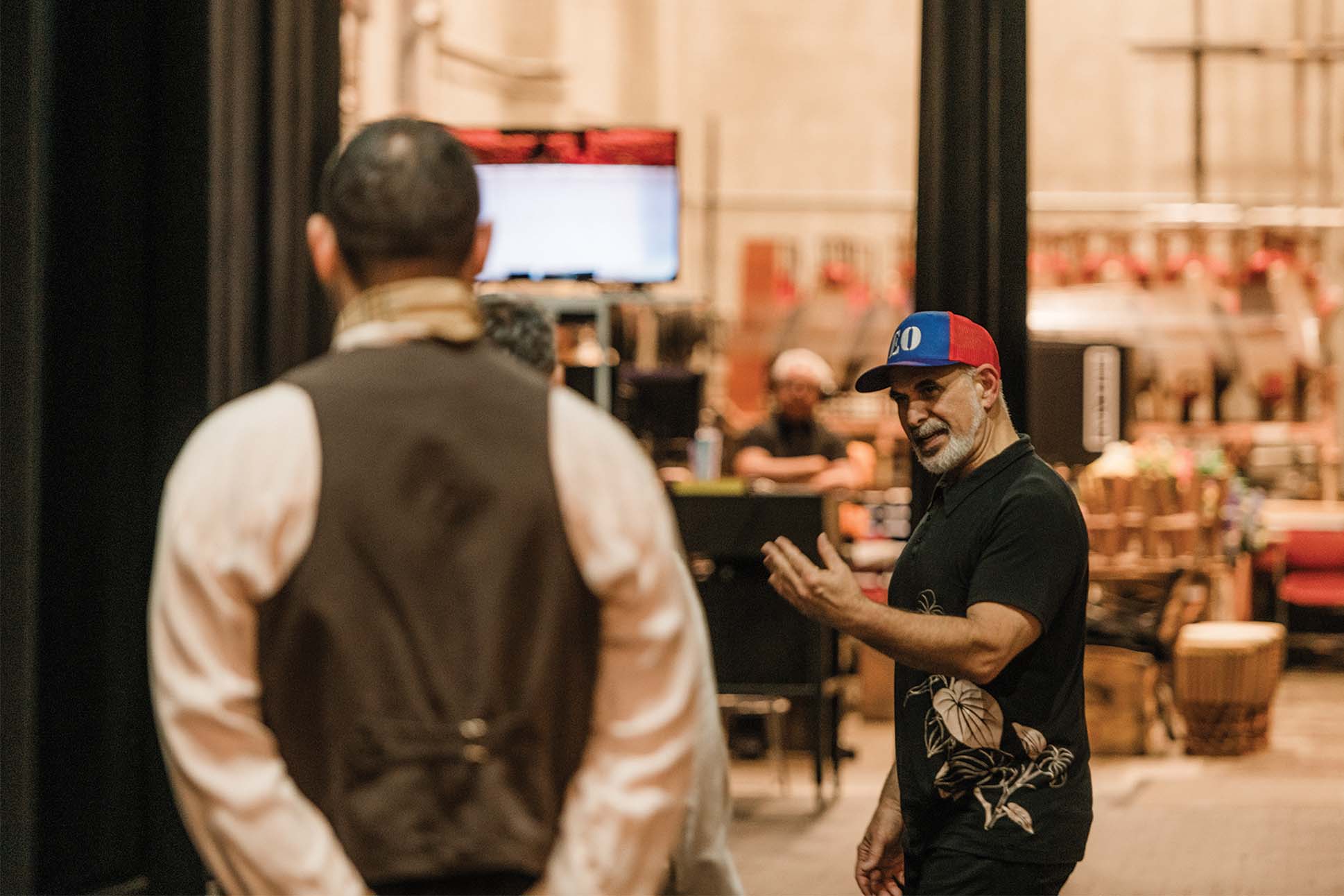
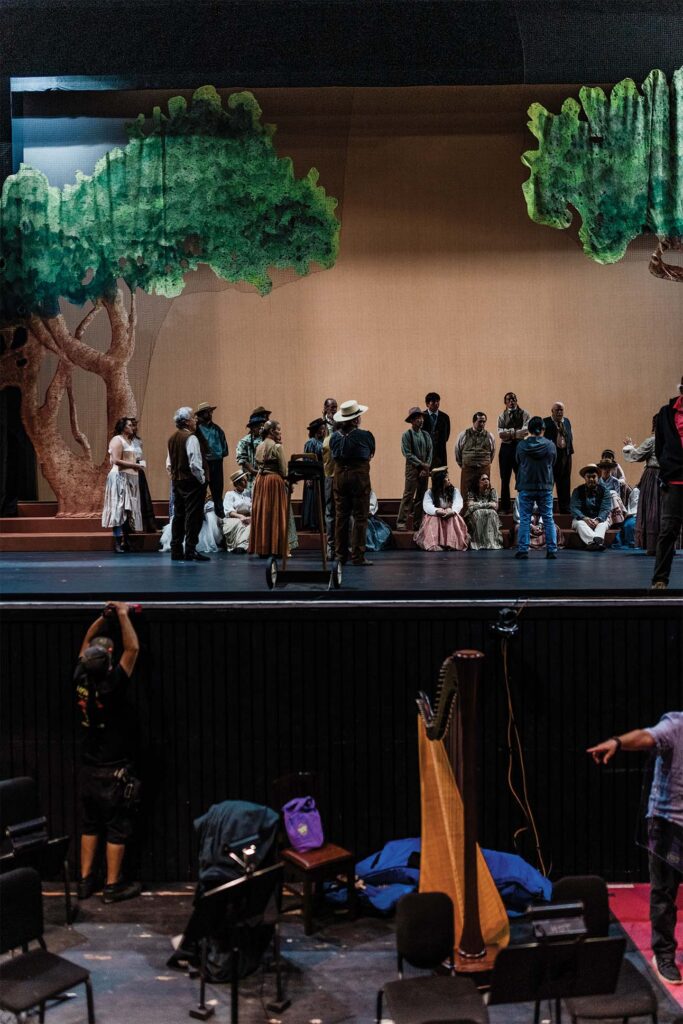
It’s a postcard-sunny April morning in Waikīkī, and San Francisco-based kumu hula Patrick Makuakāne is just three days into the month-long rehearsal process for Kamalehua: The Sheltering Tree. Based on the true story of Timoteo Kamalehua Ha‘alilio, the Kingdom of Hawai‘i’s first diplomat, the opera would make history on multiple fronts, as Hawai‘i Opera Theatre’s first commissioned project in its 65-year history and as the world’s first professional opera with a libretto composed primarily in ‘ōlelo Hawai‘i. Kamalehua, which would run for three nights in May 2026 at the Neal S. Blaisdell Concert Hall, also casts Makuakāne, 65, in a new role, as the director and choreographer of an opera. Despite his storied career, he seems to be pinching himself a bit, daunted in part by the scale of the production: 12 principals, a 40-person chorus, full orchestra, and five dancers he’s flying in from his hālau, Nā Lei Hulu I Ka Wēkiu, in San Francisco.
“Because really, Patrick Makuakāne, you have no business directing an opera,” he says, impersonating his inner critic. He’s sitting in the living room of the Waikīkī apartment he’s renting for the month, not far from the Kaimukī neighborhood where he grew up. “I don’t want to say I was doubting myself. But I was perplexed as to, well, how do I do this.”
It’s not the first time Makuakāne has leapt into uncharted territory. After dancing hula with Robert Cazimero’s Hālau Nā Kamalei o Līlīlehua as a teen, he moved to San Francisco in the mid-’80s to be with his boyfriend, and he quickly fell in love with the city’s proudly unorthodox spirit. He funneled that energy into Nā Lei Hulu I Ka Wēkiu, the halau he founded in 1985, developing a unique style of hula. By infusing the traditional art form with contemporary elements of theater, flamboyant costuming, non-Hawaiian music, and the activism he learned from groups like ACT UP (AIDS Coalition to Unleash Power), Makuakāne’s productions sought to illuminate oft-ignored strands of Hawaiian history with gravitas and flair. He called the style hula mua, or “hula that evolves,” and in 2023 it earned Makuakāne the prestigious MacArthur Fellowship, commonly known as the “genius grant,” making him the first Native Hawaiian practitioner to receive the award.
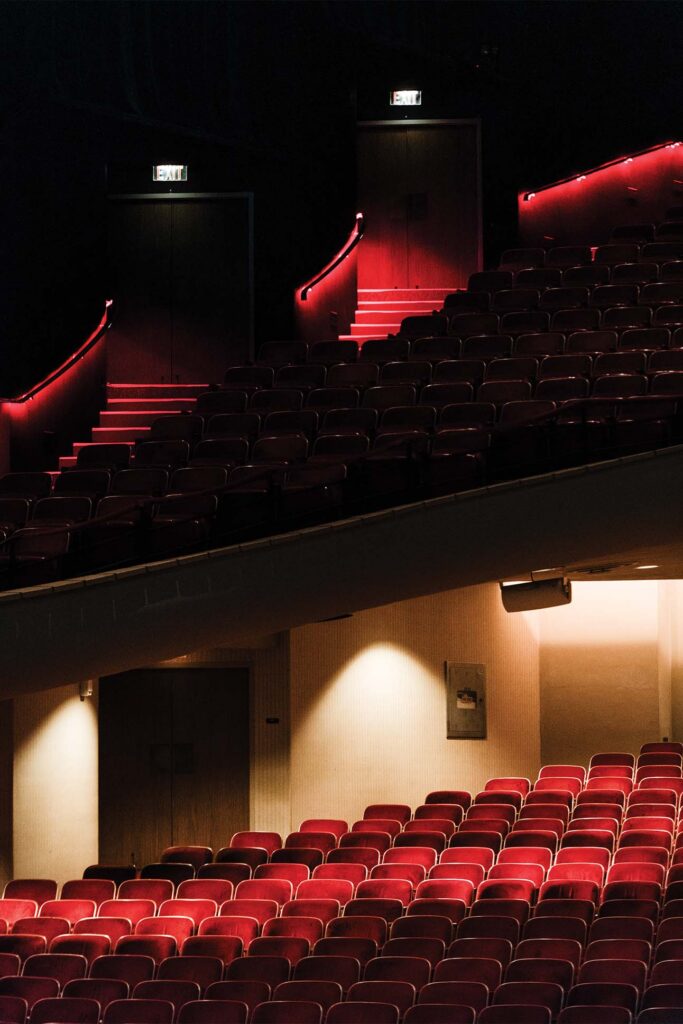
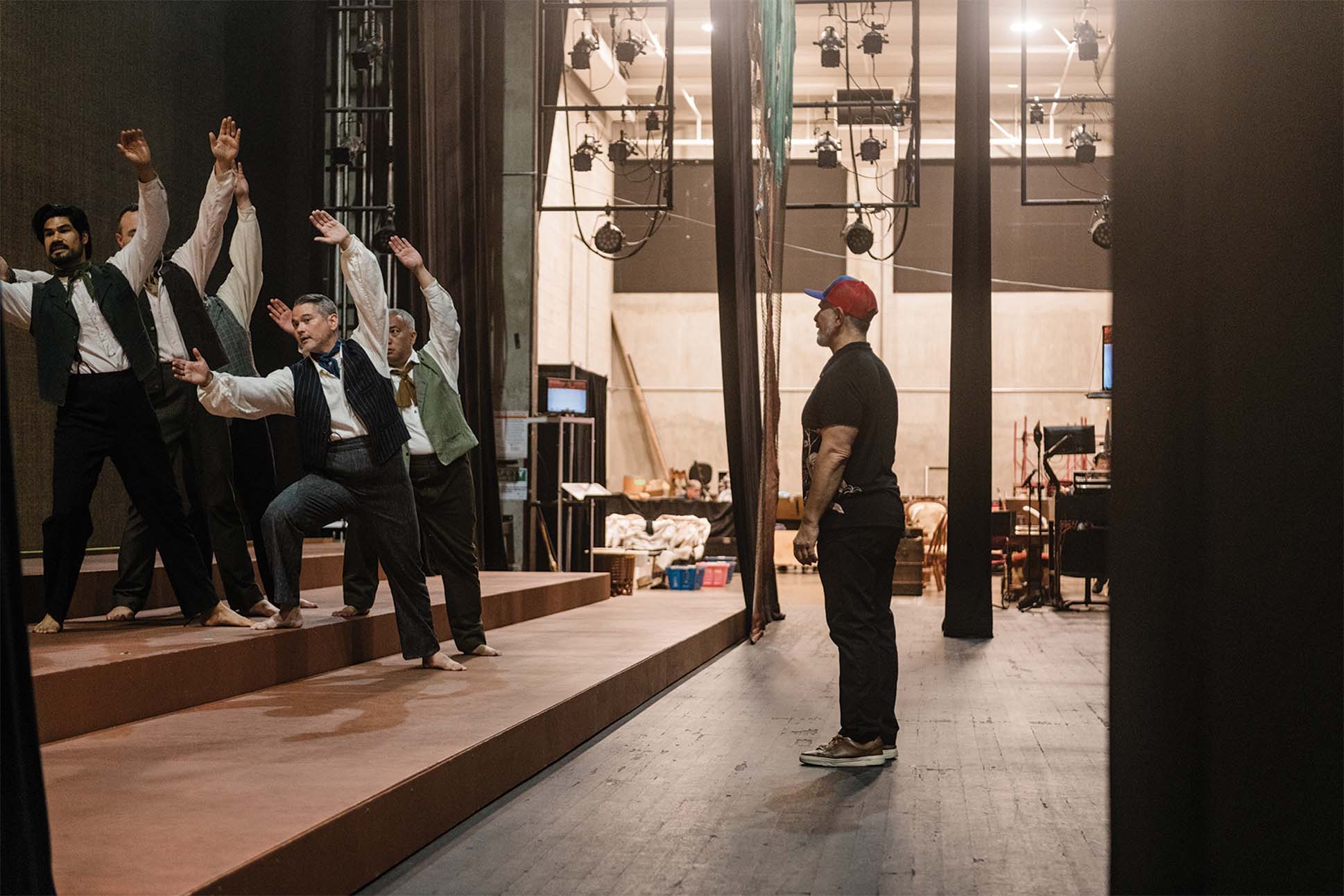
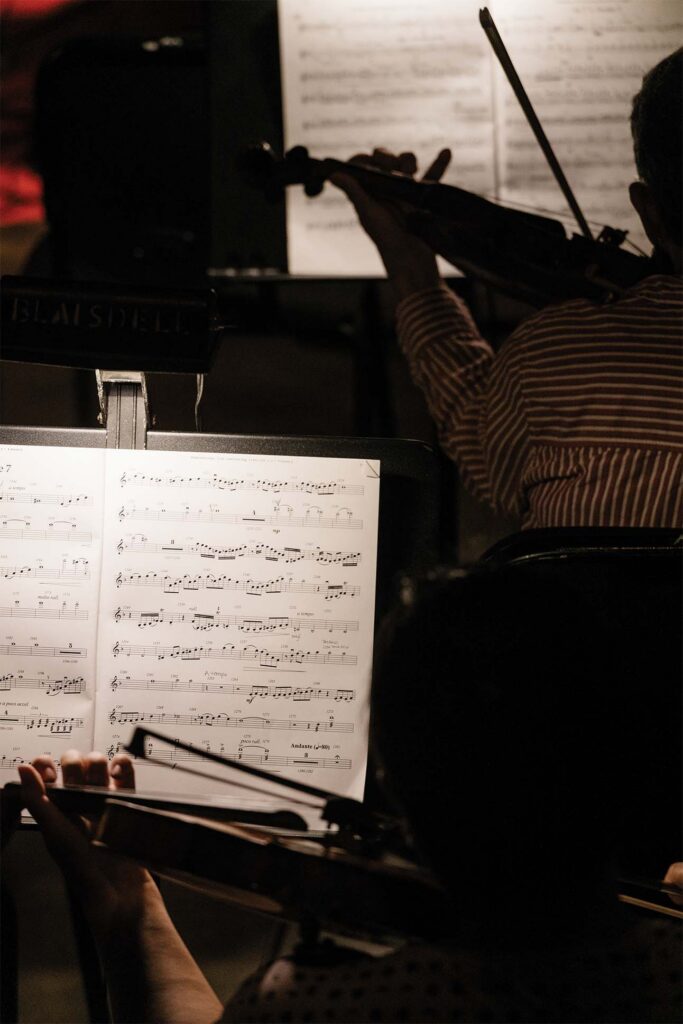
“Based on my experiences with his halau in San Francisco, I knew Patrick could direct [Kamalehua] and would add a lot to this project,” says Andrew Morgan, the general director and CEO of Hawai‘i Opera Theatre since 2019. Prior, Morgan served 11 years at San Francisco Opera, and he was introduced to Makuakāne’s work in 1996 through The Natives are Restless, a seminal Nā Lei Hulu I Ka Wēkiu production that’s considered a turning point in Makuakāne’s career.
“It talked about the oppression of Hawaiian culture and near-elimination of hula, and the language was so theatrical and so well told. I don’t know anybody that talks story better than Patrick,” says Morgan, who’s seen about 20 Nā Lei Hulu I Ka Wēkiu productions. “He has an eye for the stage that reinforced the theater in what he does, and he knows how to weave a story together through a lot of little pieces.”
In 2001, Morgan approached Makuakāne to ask if he had any ideas for an opera set in Hawai‘i, and the kumu hula immediately thought of Ha‘alilio. Makuakāne learned about the then little-known royal secretary and lifelong friend of Kamehameha III through Hawaiian historian Kau‘i Sai-Dudoit, a close friend who Makuakāne says became something of a Ha‘alilio evangelist, telling everyone she could about his underrecognized legacy. He was particularly interested in spotlighting Ha‘alilio’s 1842 mission to the United States, Great Britain, Belgium, and France to secure treaties recognizing Hawai‘i as a sovereign nation with the goal of protecting the islands from annexation. It was a mission that ultimately helped secure Hawai‘i’s status as an internationally recognized free nation for 49 more years, but it also claimed Ha‘alilio’s life; in 1845, the 36-year-old died on the journey back to Hawai‘i from Boston.
Despite feeling like a fish out of water during early rehearsals, Makuakāne says something eventually clicked, born “of the belief that I knew this story well enough that I could guide it to fruition,” he says. “It’s being able to tell this story intensely, and a story that I’ve been familiar with for a long time, never ever thinking that it would go from the dustpan of history to an opera.”
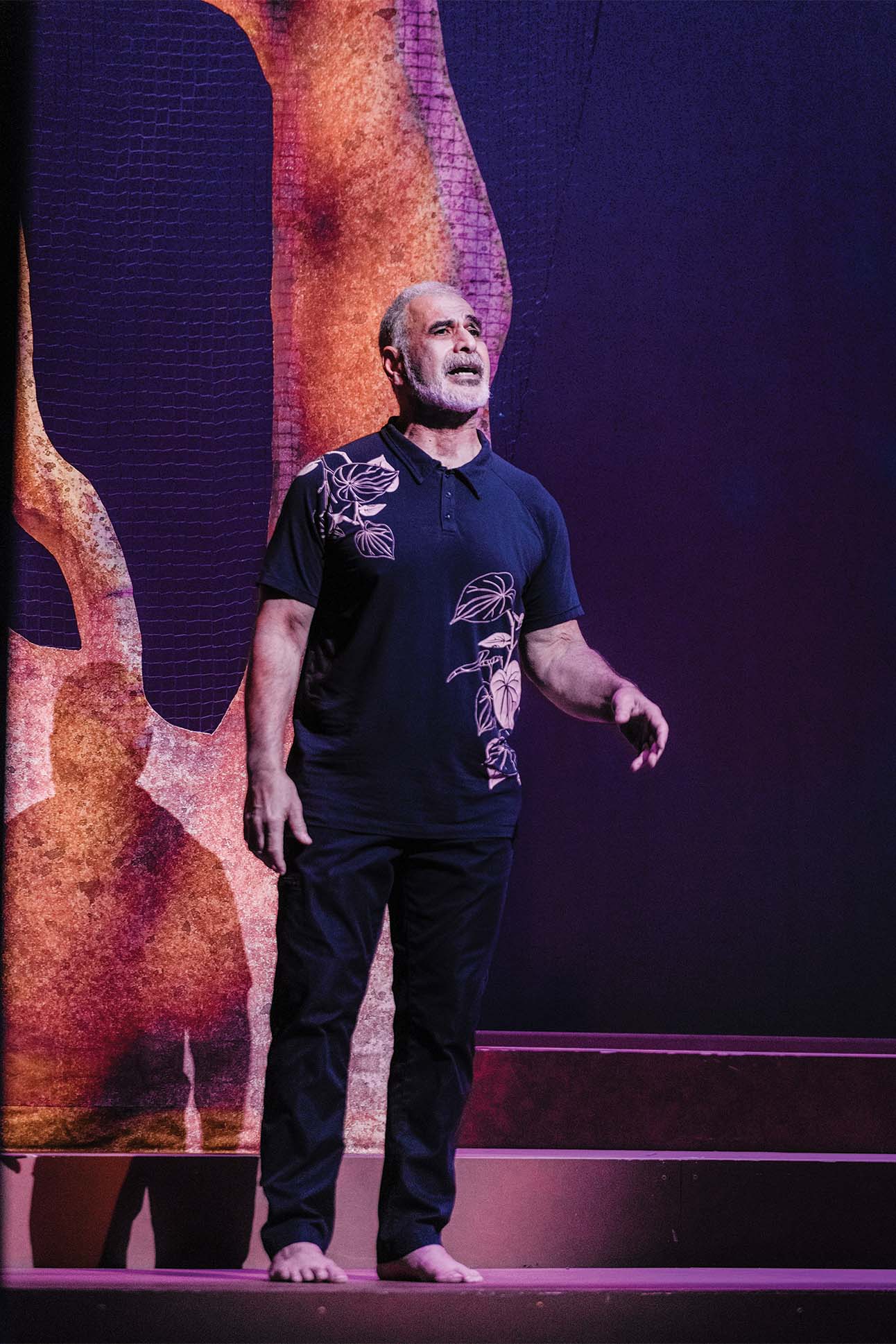
“Talk about patriotism, he literally risked his life [for Hawai‘i],” says Makuakāne. “His resilience and his love for Hawai‘i is so apparent. This is a guy who exemplified love of country, love of people, a love of the āina (land).”
Looking back, Makuakāne marvels at the spectrum of places hula has taken him, “from very traditional hō‘ike to big gay parties out there in the desert at Burning Man, it’s just crazy,” he says. So where does Kamalehua fall? “This is now solidifying its singular place in my life as something really important and crucial,” he says, stressing the cultural, historic significance of the show. “This one stands alone.”
